Today's hours: Closed

 네이버지도
 카카오맵
 구글지도
 TMAP

ART : Assisted Reproductive Technology
The Most Precise Technology for Life
Germ Cell, Embryo Research and Culture Center: CL’s Cutting-Edge Assisted Reproductive Technology
ART : Assisted Reproductive Technology
Germ Cell, Embryo Research and Culture Center
Assisted reproductive technology (ART) for infertility refers to techniques that involve handling eggs and sperm in a laboratory to induce pregnancy.
01
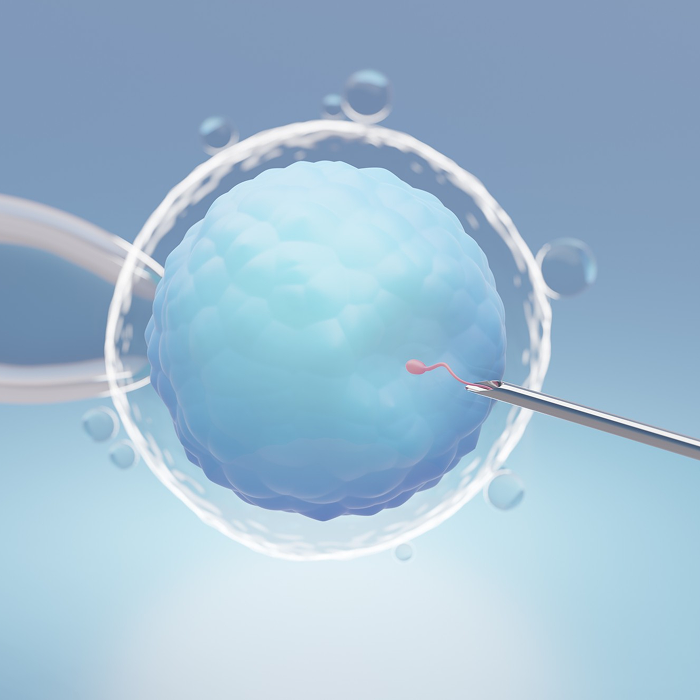
ICSI: Intracytoplasmic Sperm Injection
As a method to overcome male-factor infertility, sperm is directly injected into the cytoplasm of a retrieved egg to induce fertilization. Babies born through ICSI are just as healthy as those born through natural conception.
02
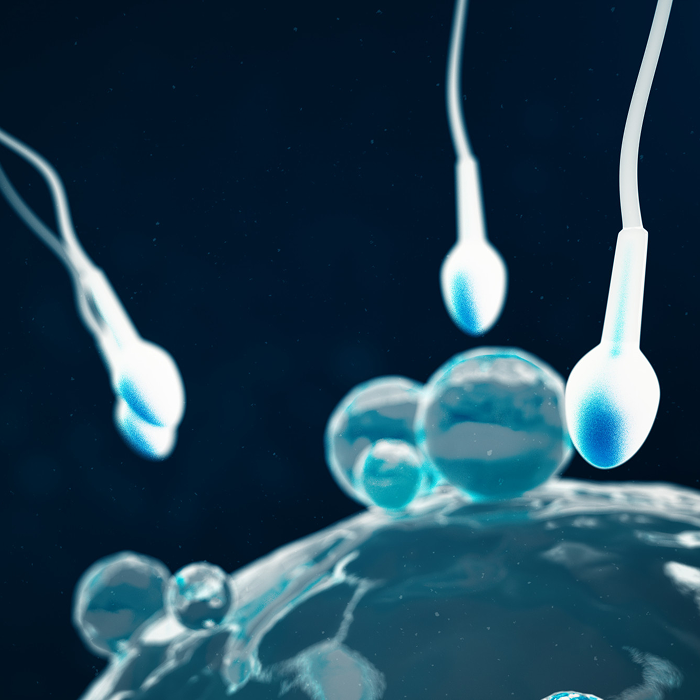
IMSI: Intra-Cytoplasmic Morphologically Selected Sperm Injection
Sperm morphology is a very important factor in predicting the outcome of fertilization, not only in natural conception but also in procedures such as IUI, IVF, and ICSI. Abnormal sperm with large vacuoles can reduce the fertilization rate in ICSI. By using a specialized high-magnification microscope to select normal sperm without vacuoles for fertilization, it is possible to increase the pregnancy rate.
IMSI Recipients

Patients Undergoing Testicular Sperm Extraction (TESE)

Patients with a normal sperm concentration of 4% or less

Cases of Repeated Failures in Embryo Transfer and Implantation

In cases of recurrent miscarriage
The IMSI Method and Its Advantages
- Selecting normal sperm through high-magnification (10,000X) observation can improve fertilization rates and embryo development.
- For patients with teratozoospermia or those undergoing TESE, selecting normal sperm can help prevent impaired embryo development and increase the success rate.
- IMSI can minimize the incidence of chromosomal abnormalities or embryo development failure in patients with recurrent pregnancy loss or fetal loss.
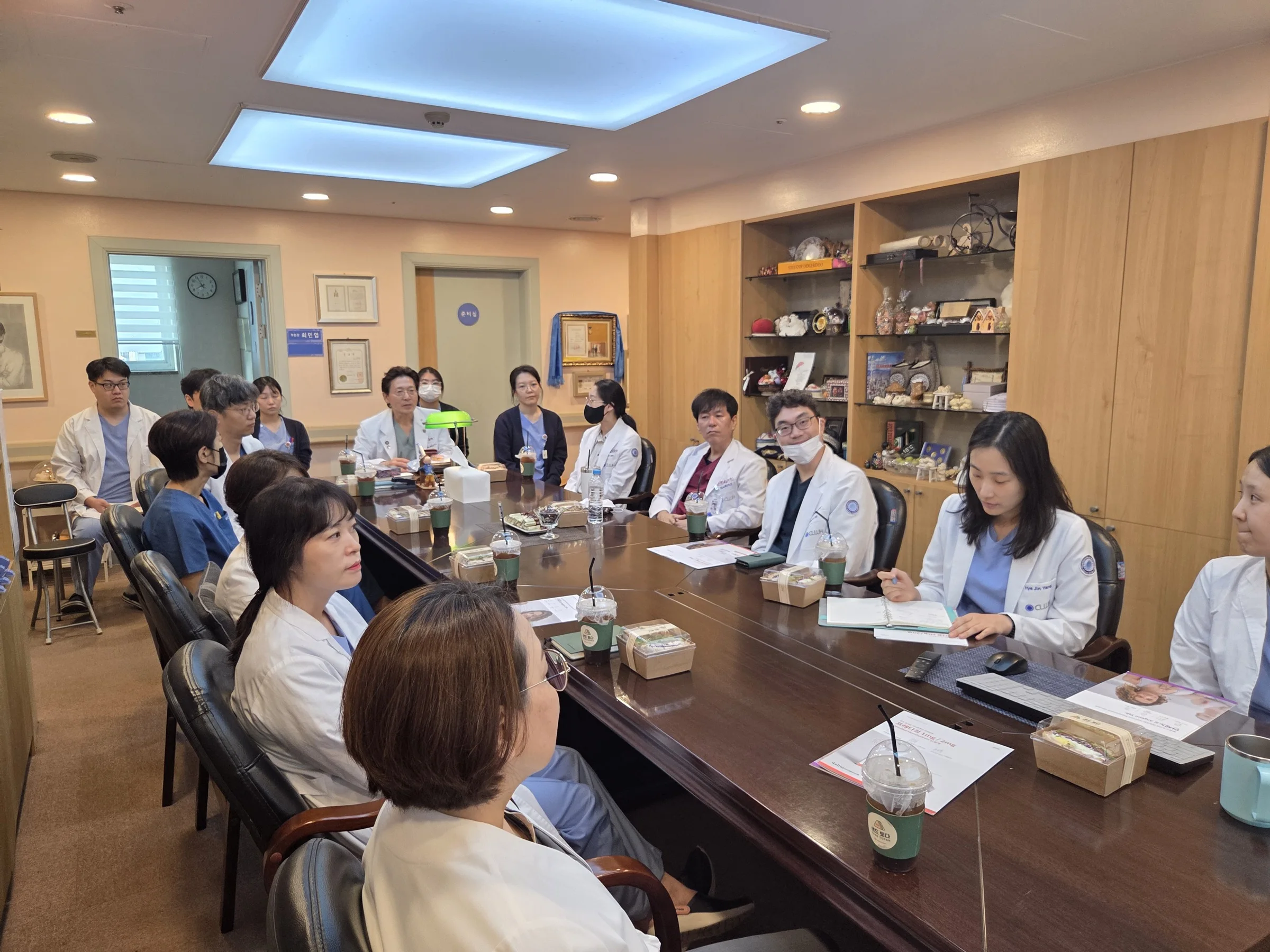
Even in a single tiny cell, we embody precision in the pursuit of life.
03
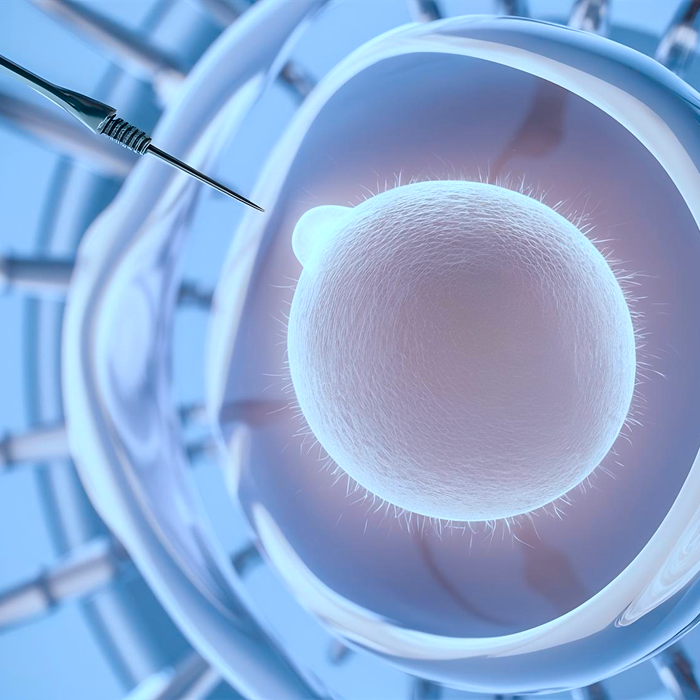
Laser-Assisted Hatching
This is a method that uses a laser to create an incision in the surface of the embryo (the zona pellucida) to promote hatching and implantation. The embryo is surrounded and protected by the zona pellucida, which is composed of three proteins (ZP1, ZP2, and ZP3). Hatching is the process by which the embryo, as it develops following fertilization, causes the zona pellucida to thin due to expansion forces and eventually emerges through a crack that forms; the hatched embryo then implants into the uterine lining of the mother. Embryos produced through in vitro fertilization may develop an abnormally thick zona pellucida due to various environmental factors, which can interfere with the hatching process and lead to implantation failure.
- A technique that uses a laser with a wavelength of 0.48 μm to thin or penetrate the zona pellucida (ZP) of an embryo
- Compared to existing methods (mechanical incision, chemical removal, and enzymatic removal), this method is safer and minimizes exposure of the embryo.
Candidates for Laser-Assisted Hatching

35 years of age or older

Patients with endometriosis

Patients with Repeated Failures in In Vitro Fertilization (IVF) Treatment

Patients who underwent frozen embryo transfer whose zona pellucida thickened due to the freezing and thawing process

Patients undergoing embryo transfer with an abnormally thick zona pellucida
04
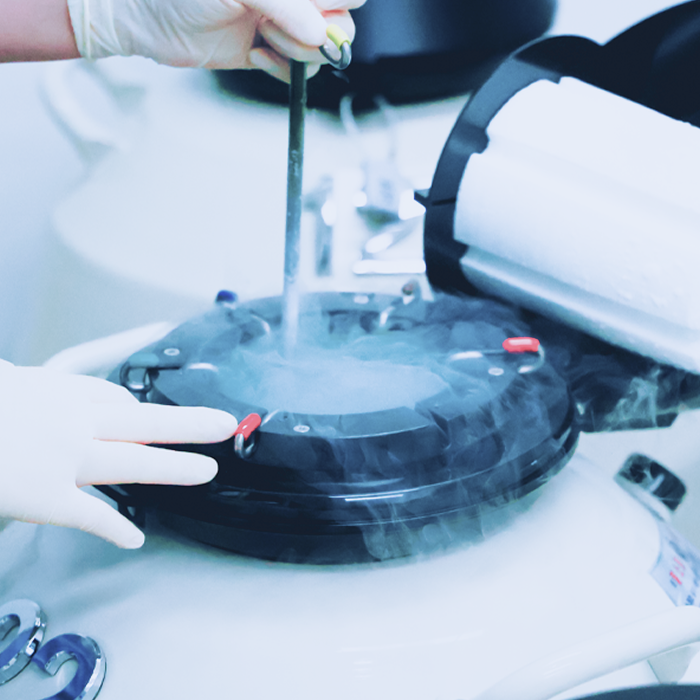
Embryo Cryopreservation
Embryos created through in vitro fertilization can be cryopreserved using advanced freezing techniques and transferred after thawing in accordance with the woman’s menstrual cycle. Babies born from frozen embryo transfers are just as healthy as those born through natural conception.
05
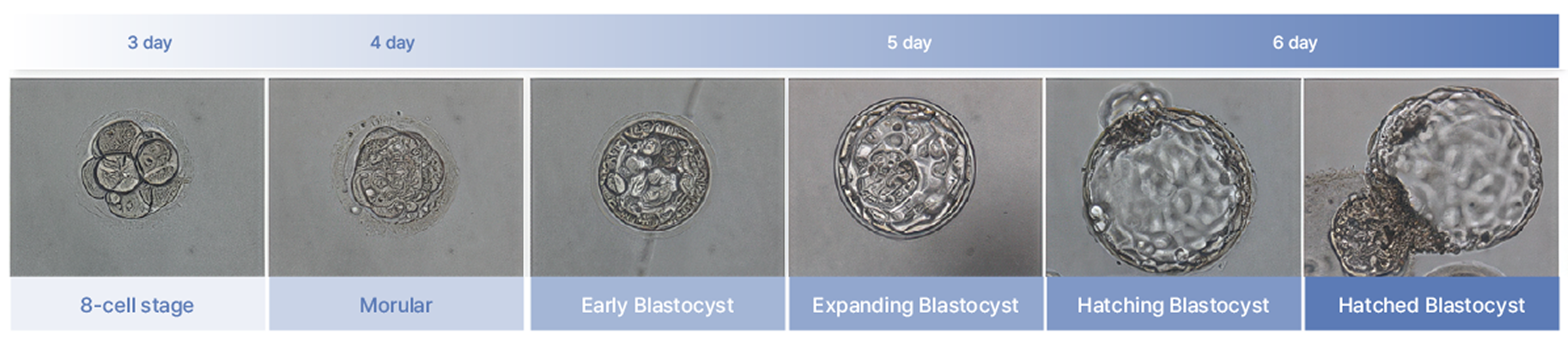
Blastocyst Transfer
Naturally fertilized embryos reach the uterus 5–6 days after fertilization and prepare for implantation. However, embryos created through in vitro fertilization (IVF) are transferred to the uterus immediately after 3 days of culture. Recent scientific advances have made it possible to culture embryos for an additional 2–3 days outside the body, allowing them to develop to the blastocyst stage before transfer. This helps maintain the high pregnancy rates patients expect while also reducing the number of embryos transferred, thereby lowering the risk of multiple pregnancies.

08
Screening for Chromosomal Numerical Abnormalities
PGS is an assisted reproductive technology used to screen early-stage embryos created through in vitro fertilization for chromosomal numerical abnormalities prior to transfer and pregnancy. For parents with chromosomal abnormalities, or those without such abnormalities but who have experienced repeated IVF failures or miscarriages, this method can increase the pregnancy success rate by selecting and transferring genetically normal embryos.
06
Improved Implantation
- Effects of Embryo Glue
- It contains a high concentration of hyaluronan, which can increase implantation rates.
- Promotes in vitro culture of embryos
- Promotes embryo transfer
- Improves the survival rate of frozen embryos
- Hyaluronan is a glycoprotein composed of glucosaminoglycans and is found in fallopian tube fluid and uterine fluid.
- Hyaluronan facilitates embryo implantation both in vivo and in vitro.
- The concentration of hyaluronan increases dramatically during the implantation period.
07
Testicular Sperm Extraction
Some men experience difficulty ejaculating due to blocked ejaculatory ducts or other factors. In such cases, surgery can be performed to extract semen from the epididymis or testicles. Sperm obtained through TESE is injected directly into a mature egg to produce an embryo, and some may be cryopreserved for future procedures.

With cutting-edge technology and a warm heart, we’re here for you
Begin your journey toward the most precise assisted reproductive technology with CL Hospital