Today's hours: Closed

Weekdays8:30 a.m. – 4:30 p.m.
Saturday8:00 a.m. – 1:00 p.m.
SundayClosed
Public Holiday9:00 a.m. – 12:00 p.m.
Directions957 Mujin-daero, Seo-gu, Gwangju

Laboratory of Reproductive Medicine

Reproductive Medicine Laboratory

From the fertilization of the egg and sperm to embryo culture and implantation

Scroll

For the precious lives we await, through relentless research and technological innovation, CL Hospital continues to create new miracles every day.

Micromanipulation

Cutting-Edge Precision Modification Technology

To minimize damage to the egg, and,

Cutting-Edge Precision Modification Technology
01/Micromanipulation

Cutting-Edge Precision Modification Technology

We strive for the best process to achieve better results.

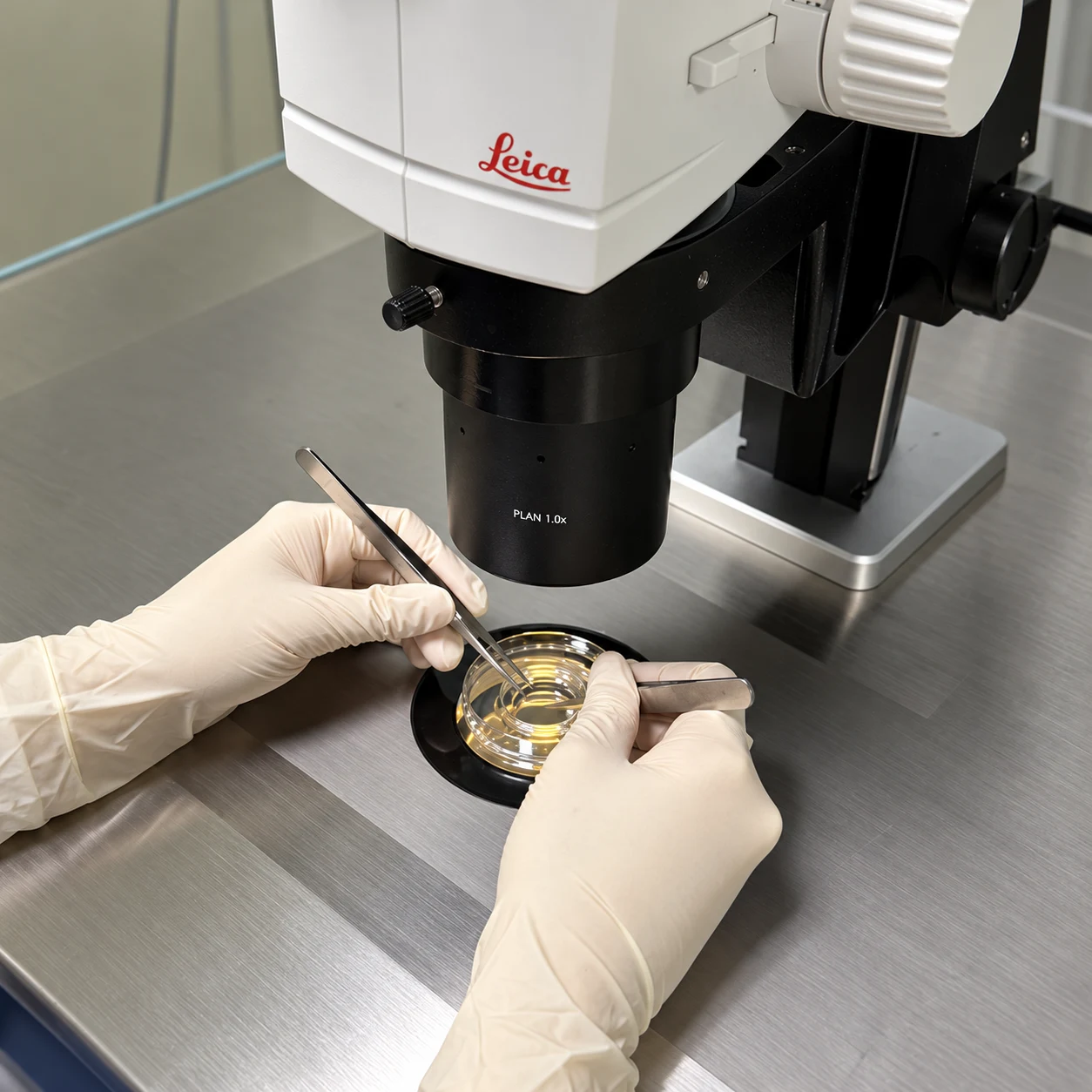
PIEZO Intracytoplasmic Sperm Injection

PIEZO ICSI

PIEZO Intracytoplasmic Sperm Injection

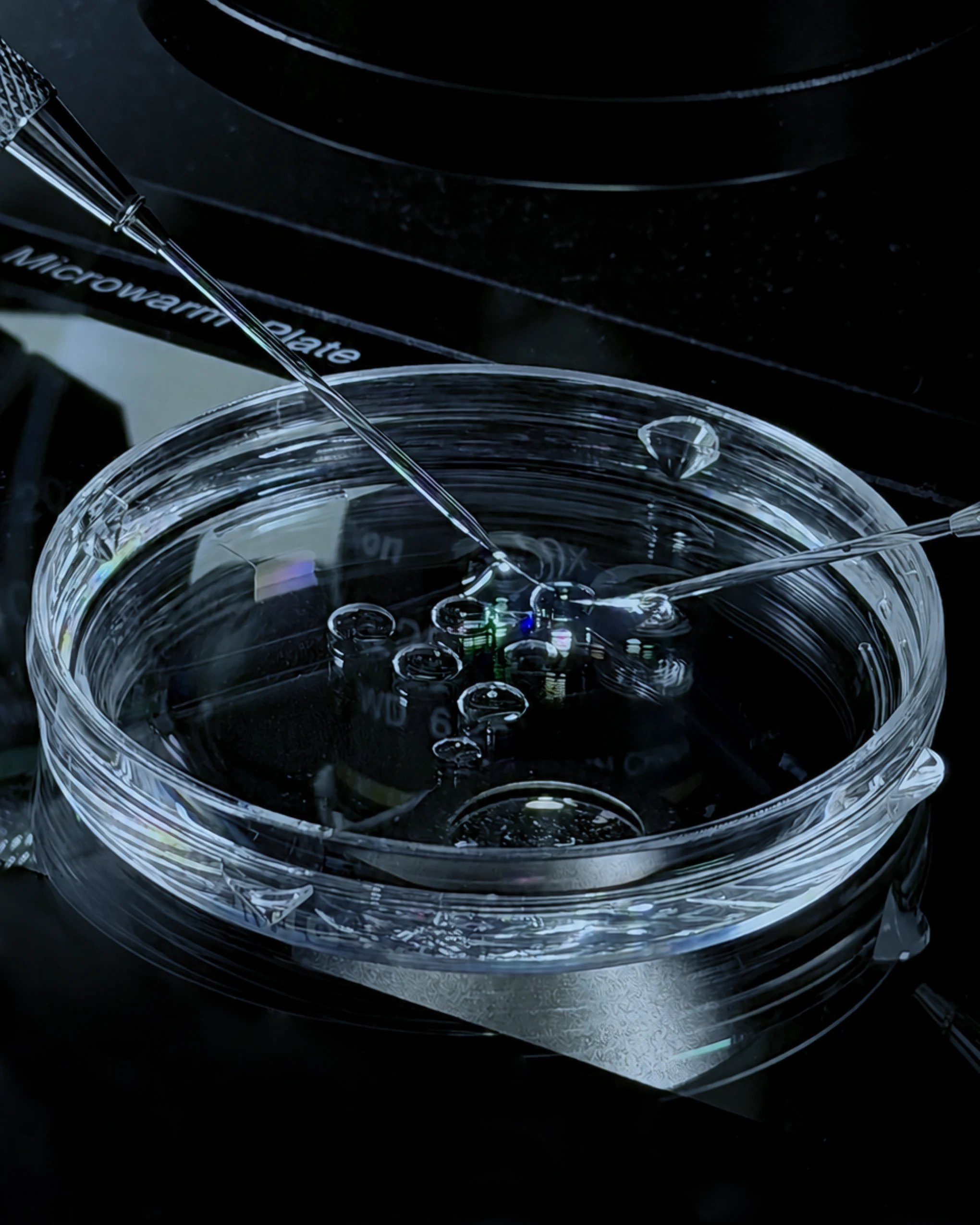
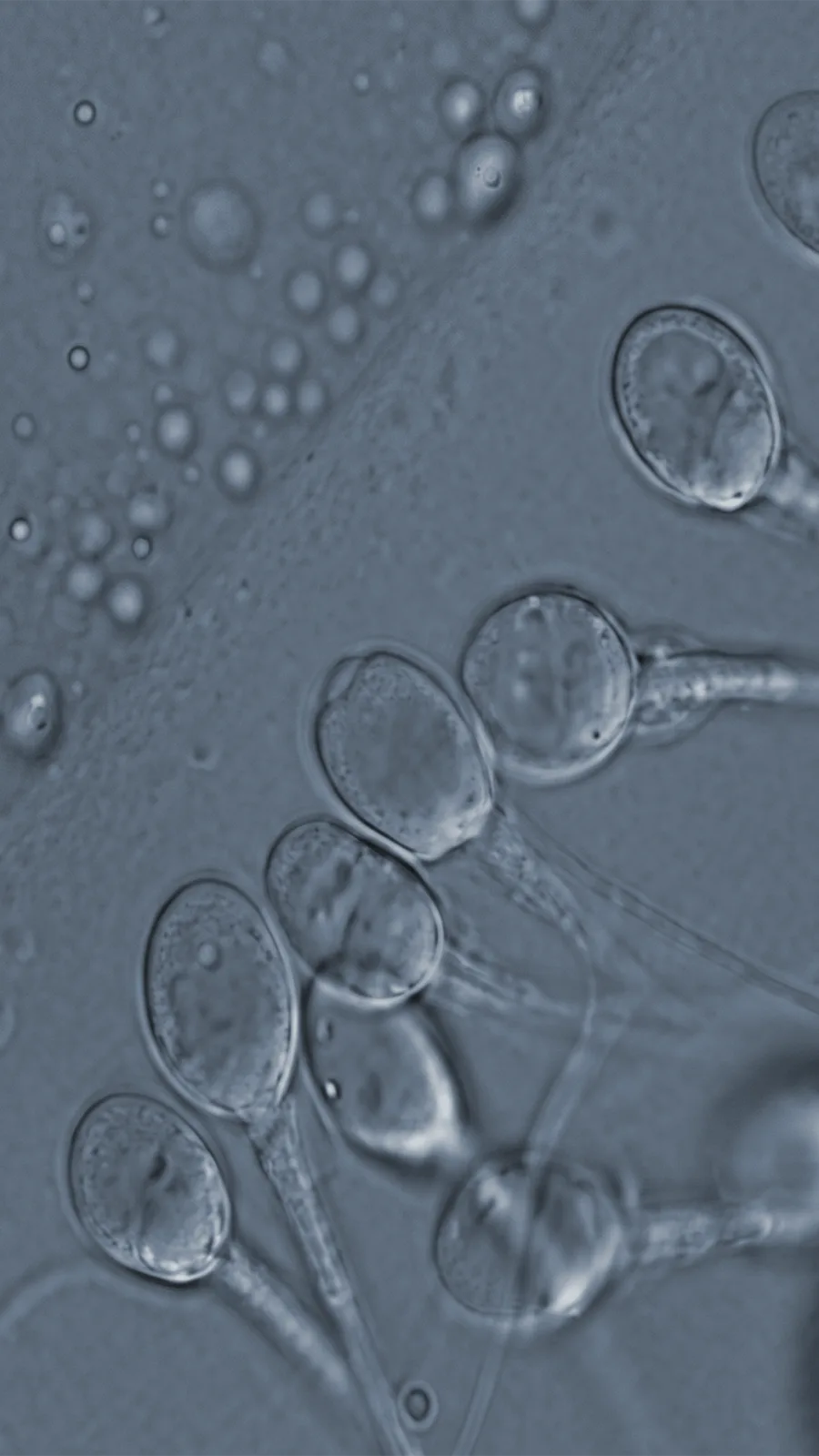
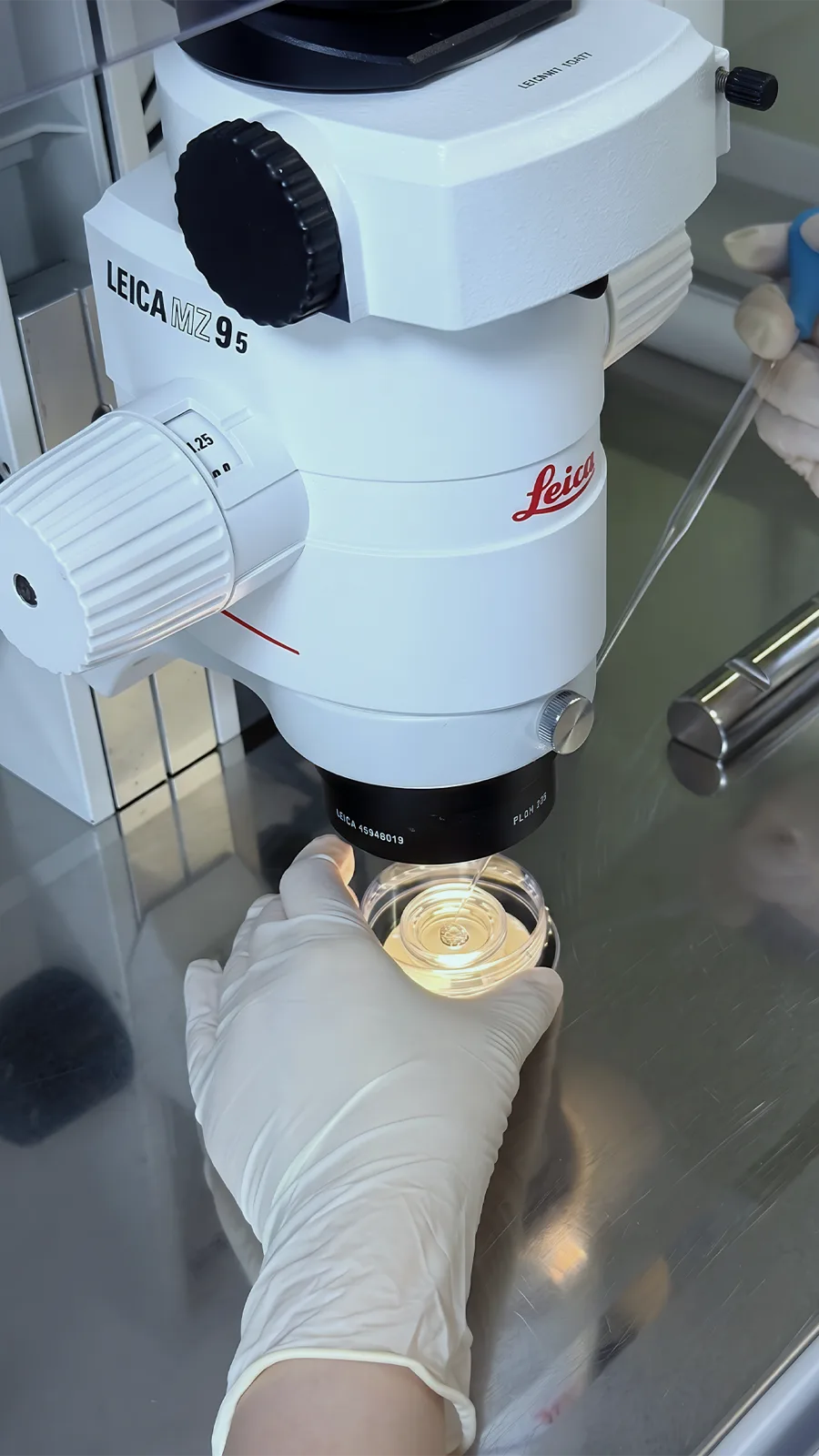
The conventional ICSI method involves using a microinjection needle to directly penetrate the zona pellucida and cytoplasmic membrane of the egg to inject sperm; this process may subject the egg to pressure or deformation. PIEZO ICSI is a microfertilization technique that uses a microscopic PIEZO pulse to penetrate the zona pellucida and cytoplasmic membrane with greater precision, minimizing physical stress and damage to the egg while injecting sperm into the cytoplasm. In particular, its use may be considered in cases where egg degeneration has recurred following previous ICSI procedures.

Micromanipulation for Sperm Morphology Selection

IMSI

Micromanipulation for Sperm Morphology Selection

In standard ICSI, the sperm’s motility and overall morphology are examined using a microscope with approximately 400x magnification, and suitable sperm are then selected and injected into the egg. IMSI uses a much higher-magnification microscope—at approximately 1,000x or higher—to observe the fine details of the sperm head, such as the vacuole, in greater detail, and This method involves selecting sperm with better morphology for microinjection, allowing for more precise sperm selection by identifying even the finest structural details that are difficult to distinguish at standard magnification.

Micromanipulation for the Selection of Mature Sperm

PICSI

Micromanipulation for the Selection of Mature Sperm

PICSI is an intracytoplasmic sperm injection (ICSI) method that uses a special culture dish coated with hyaluronan to select mature sperm with a high likelihood of fertilizing an egg. By selecting sperm based not only on their morphology but also on their physiological maturity, and using the most suitable sperm for ICSI, this method can help ensure stable fertilization and embryo development.

Micromanipulation of Spindle Fibers

PLM ICSI

Micromanipulation of Spindle Fibers

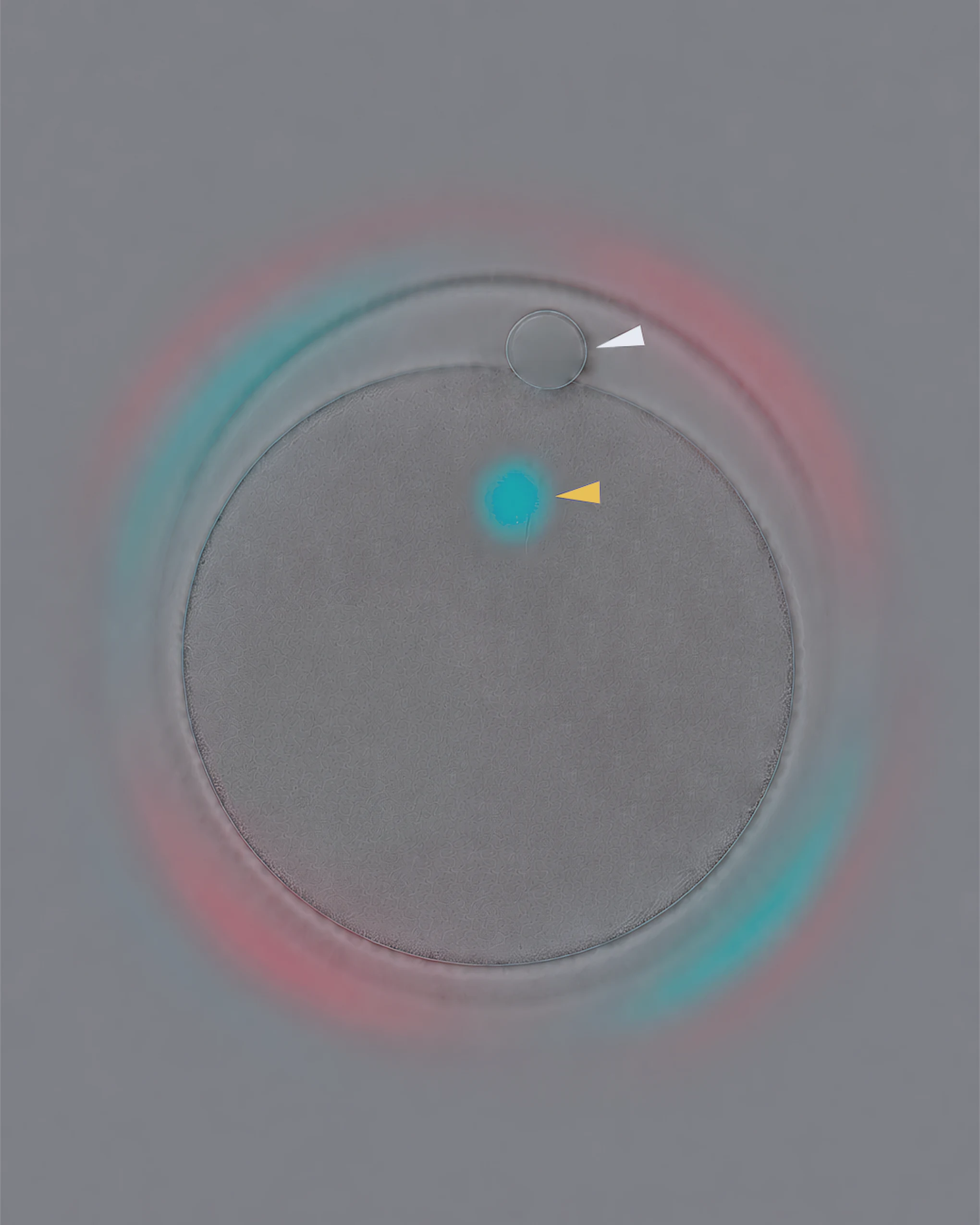
PLM-ICSI is an intracytoplasmic sperm injection (ICSI) technique that uses a polarizing microscope (Polscope) to observe the spindle inside the egg without causing damage. By confirming the location and condition of the spindle, it assesses the egg’s maturity and facilitates more precise and stable fertilization by injecting the sperm into a safe location while avoiding the spindle, where critical genetic material is located.

02/Optimal Environment

Optimized Embryo Culture System

We're with you every step of the way as your baby grows.

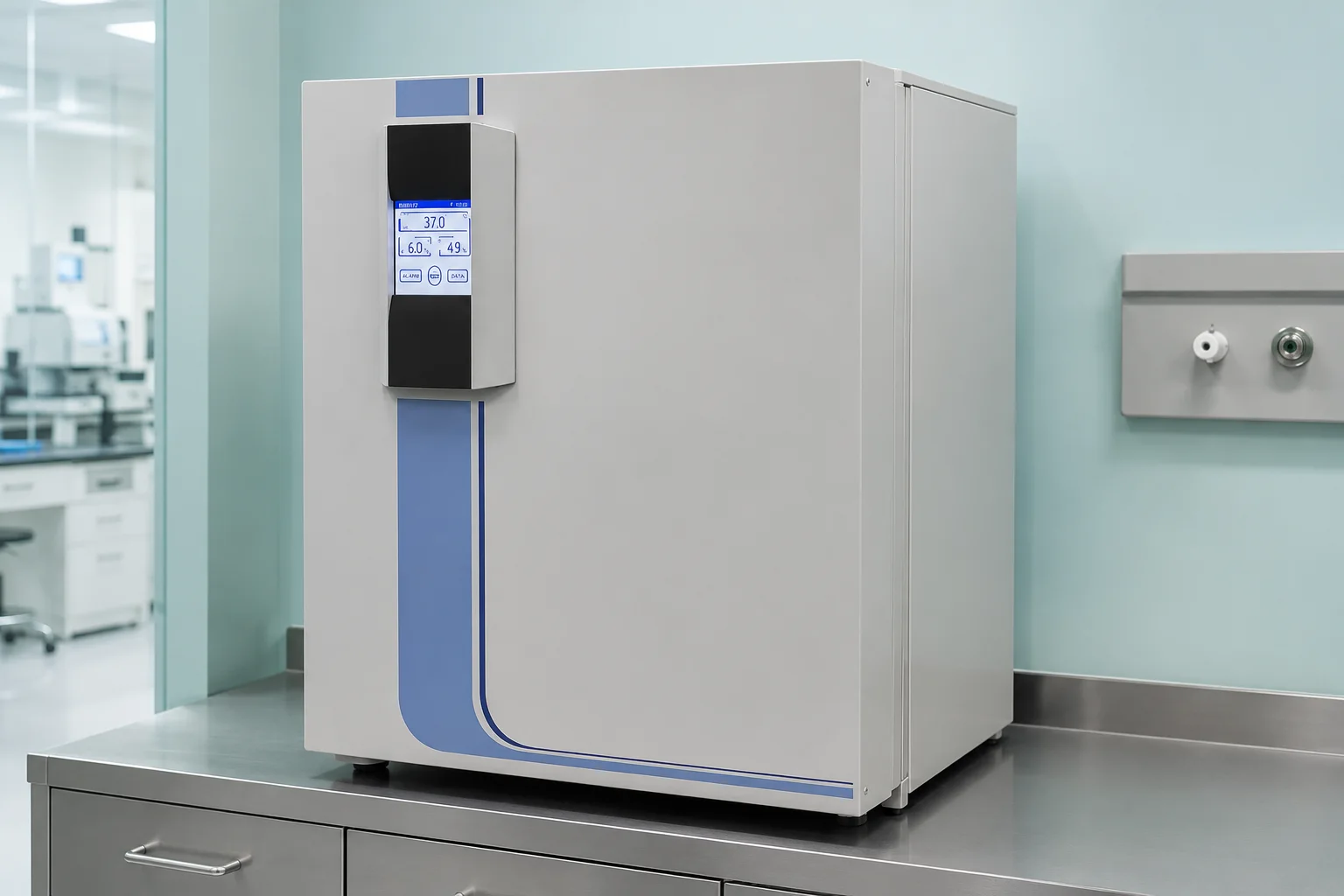
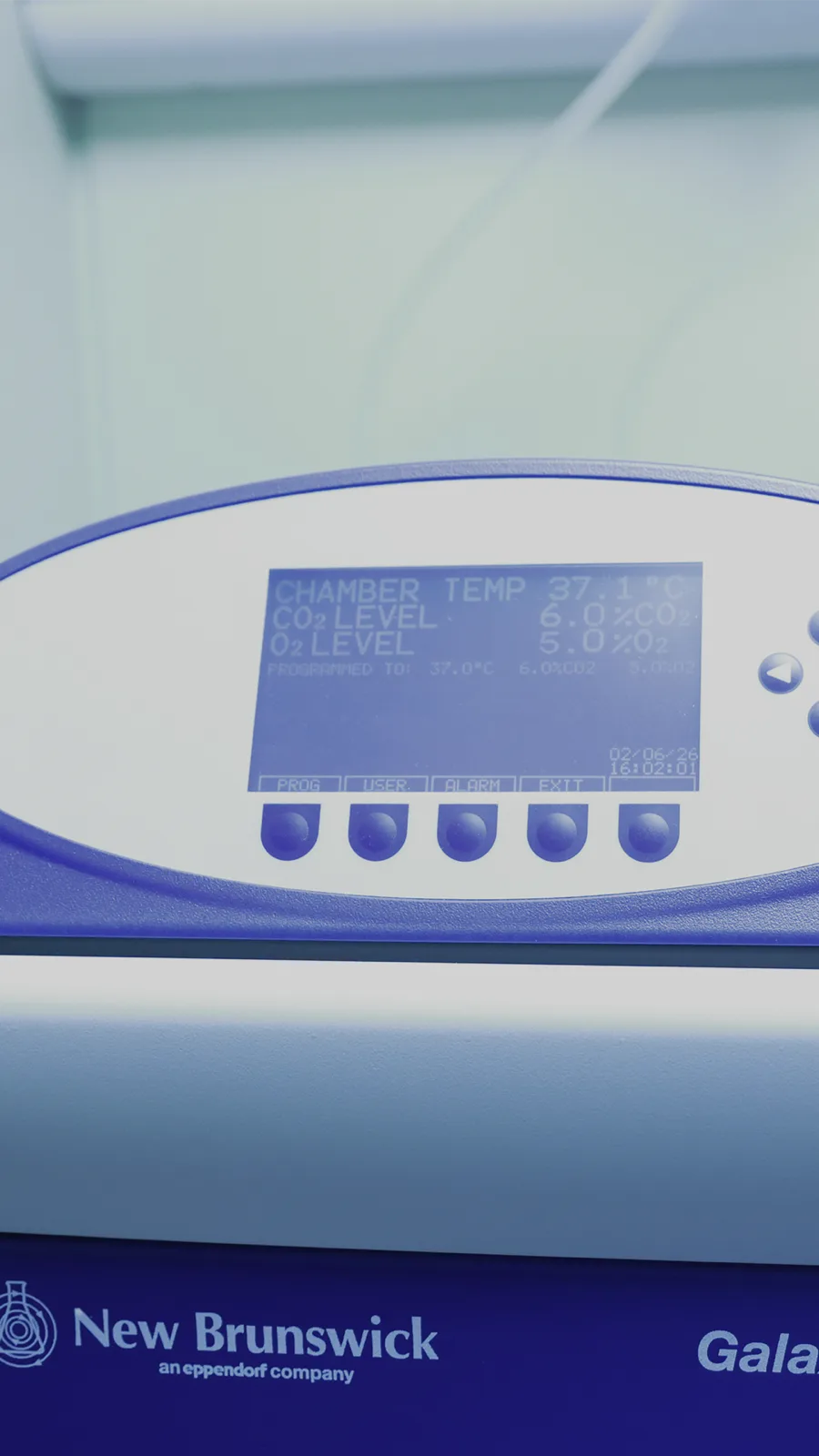
Dry Incubator

Dry Incubator

Dry Incubator

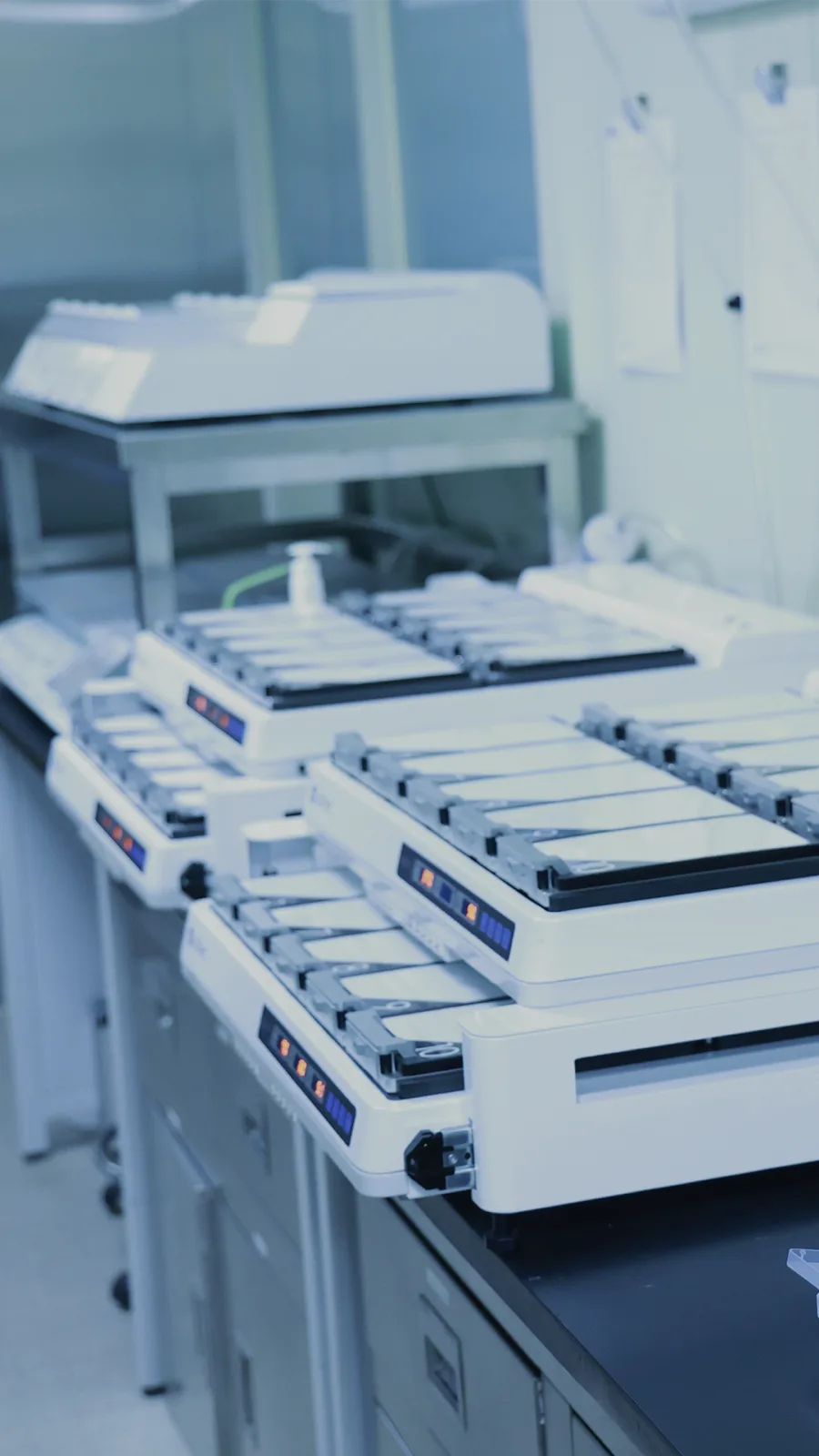
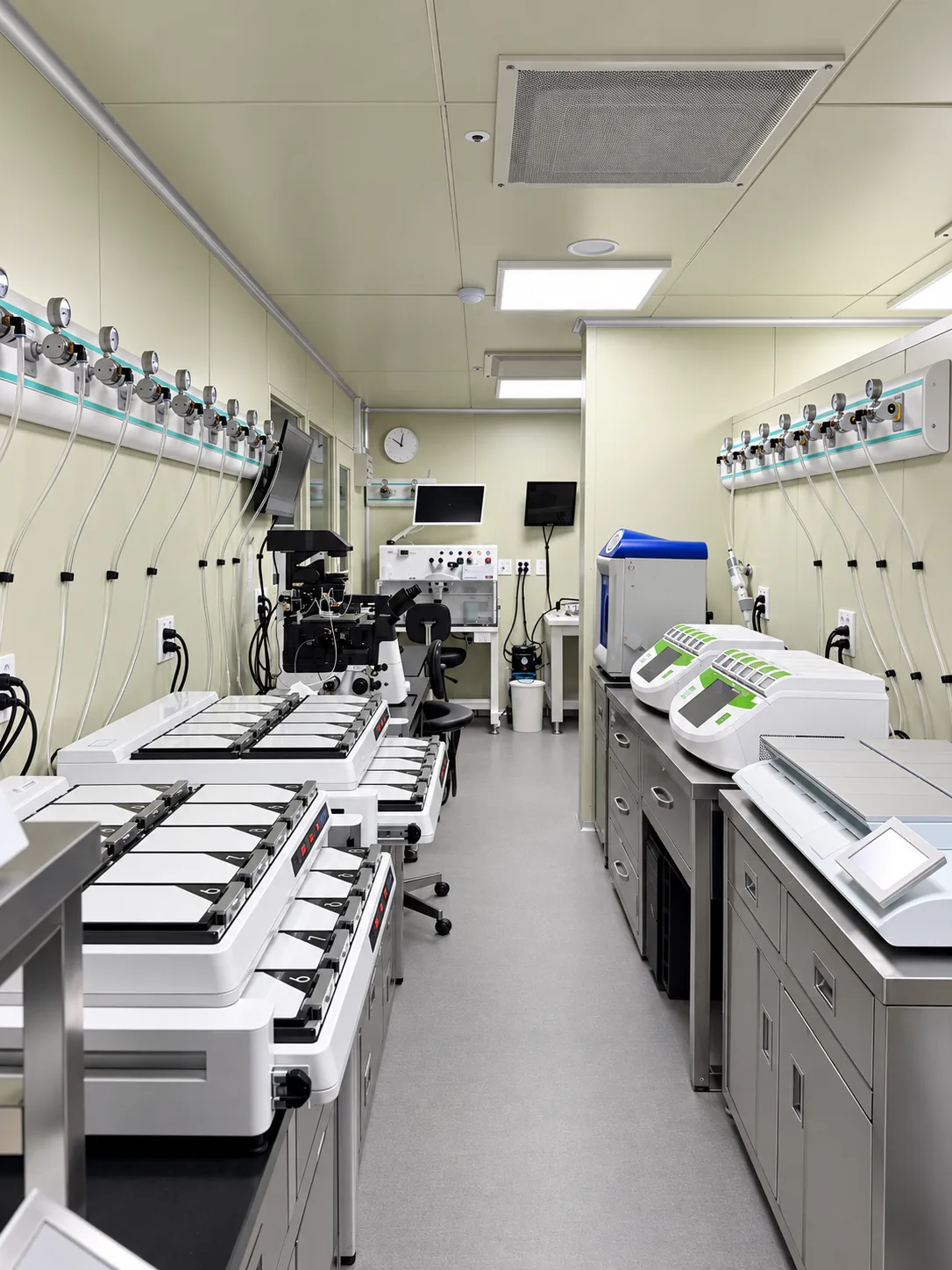
This culture system cultivates embryos in individual chambers to minimize the impact of other culture spaces and quickly stabilize any changes in temperature and gas conditions that may occur when the door is opened or closed. By maintaining a stable temperature and pH environment for each embryo, it reduces the risk of external environmental changes and cross-contamination, thereby promoting more stable embryo development.

Wet incubator

Humidified Incubator

Wet incubator

This system maintains a constant humidity level inside the incubator to prevent the culture medium from drying out. Since the concentration of the culture medium remains constant over time, embryos can develop under consistent conditions for an extended period. Additionally, by maintaining a temperature of 37°C—equivalent to body temperature—and a hypoxic environment similar to that inside the body, the system supports stable embryo development.

Real-Time Embryo Monitoring

Time-lapse Incubator

Real-Time Embryo Monitoring

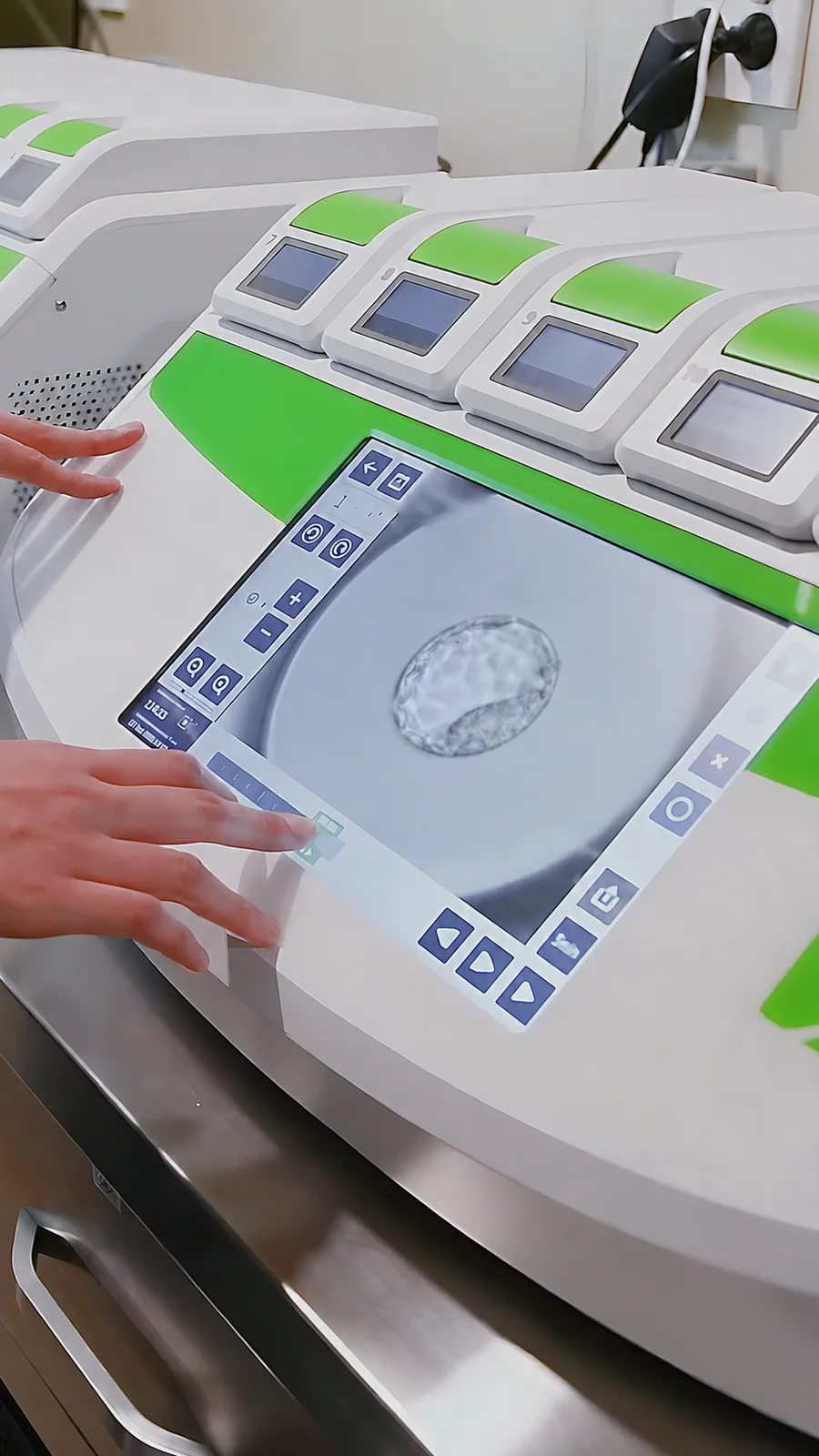
This is a state-of-the-art culture system that observes and records the developmental process from fertilization to the blastocyst stage by continuously imaging embryos in a stable environment without removing them from the incubator. It enables detailed analysis of the timing of embryo cleavage, growth rate, and developmental patterns, thereby minimizing changes to the culture environment and providing critical information for selecting embryos suitable for transfer.

03/Implantation

Personalized Assisted Reproductive Technologies to Improve Implantation

We do our very best to ensure that this precious opportunity for a transplant leads to a successful outcome.

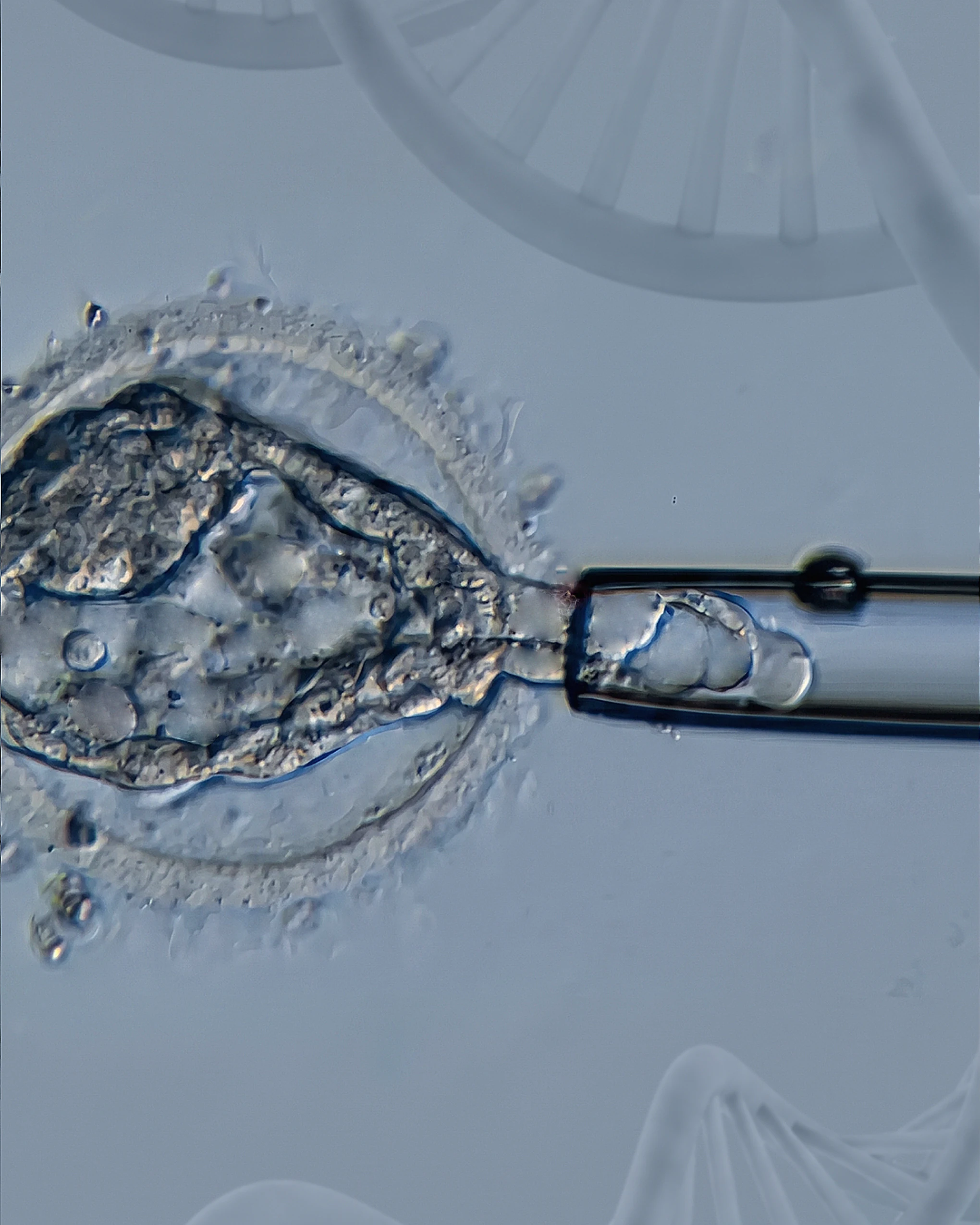
Preimplantation Genetic Testing

PGT

Preimplantation Genetic Testing

Preimplantation genetic testing involves collecting a small number of cells from an embryo before it is implanted into the uterus to check for chromosomal abnormalities or specific genetic disorders. Based on the test results, it helps select embryos suitable for transfer and, depending on the patient, can be used to develop a treatment plan to reduce the risk of recurrent implantation failure or miscarriage.

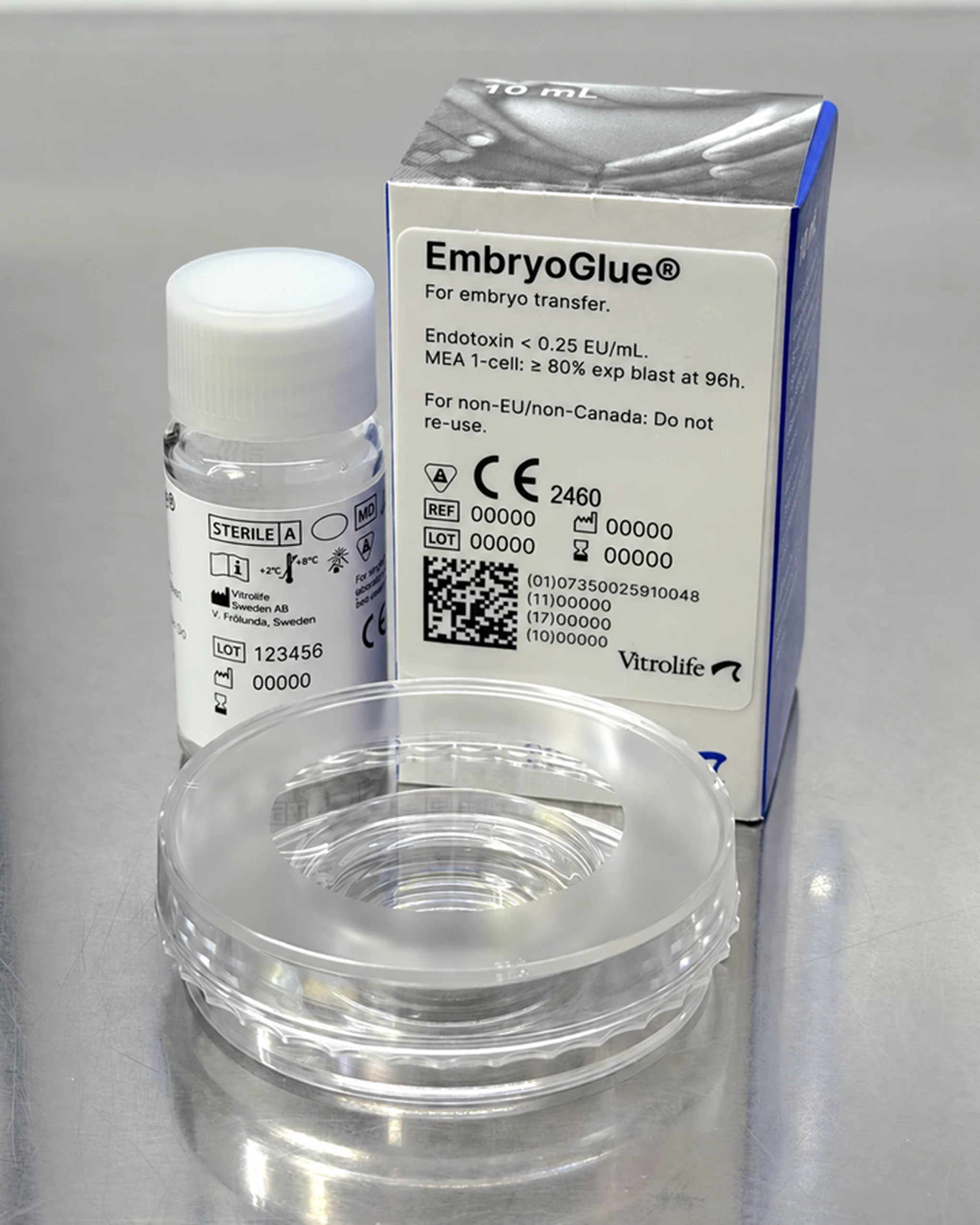
Bae-a Glu

EMBRYO GLUE

Bae-a Glu

This method involves using a special culture medium rich in hyaluronan to mimic the natural environment inside the uterus during embryo transfer. By creating an environment where the embryo can make more stable contact with the endometrium, this method aids the implantation process and may be considered as an adjunctive treatment, particularly for patients with a history of recurrent implantation failure.

Laser-Assisted Hatching

Assisted Hatching(AH)

Laser-Assisted Hatching

This procedure involves using a precision laser to thin the zona pellucida—the transparent membrane surrounding the embryo—or to create a small hole in it, thereby helping the embryo emerge more easily. It helps facilitate natural hatching while minimizing damage to the embryo, thereby supporting smooth contact with the endometrium and successful implantation.

Autologous Platelet-Rich Plasma Infusion Therapy

PRP

Autologous Platelet-Rich Plasma Infusion Therapy

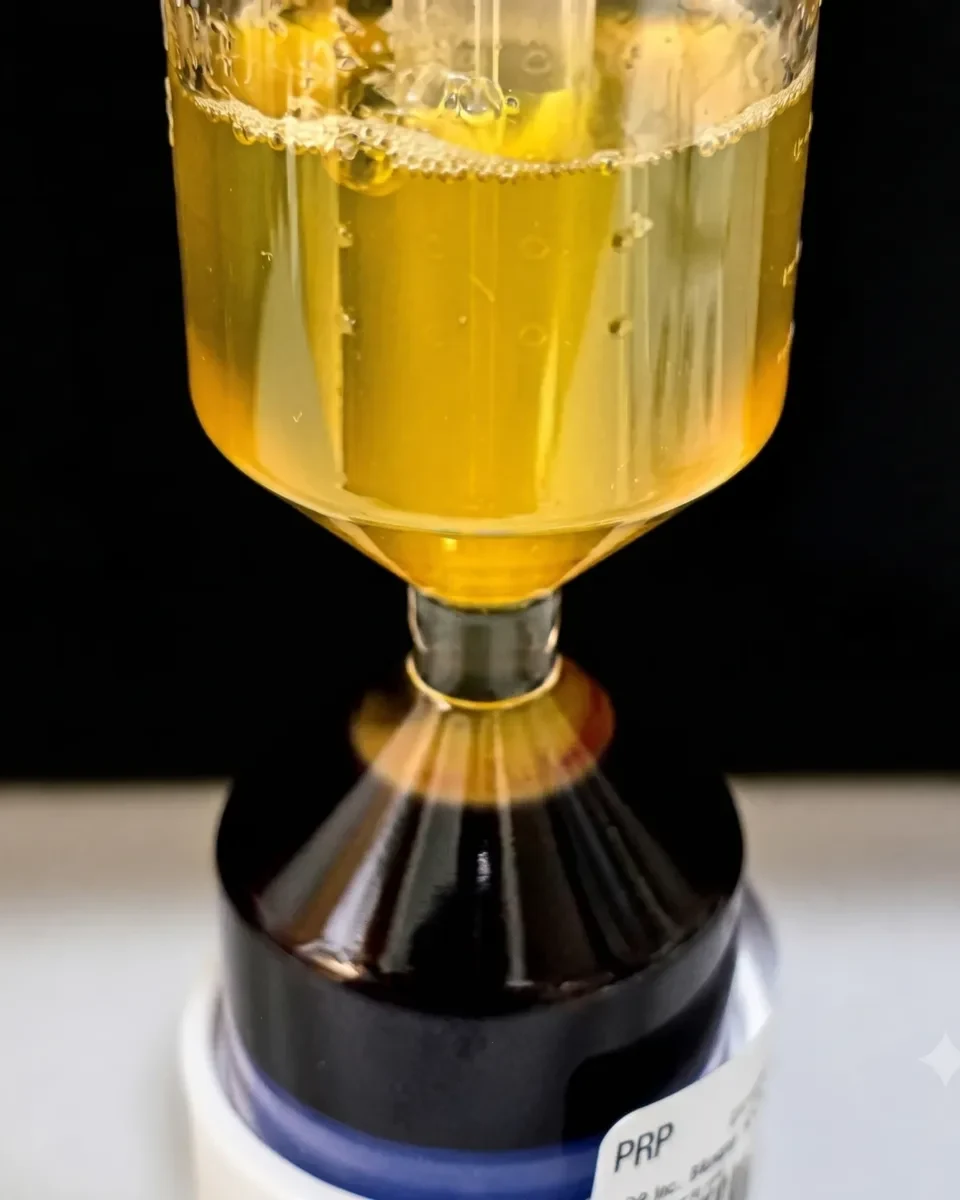
This treatment involves centrifuging the patient’s own blood to isolate platelet- and growth factor-rich plasma, which is then injected into the endometrium. It is used to promote endometrial regeneration and improve blood flow, and may be considered as an adjunctive treatment, particularly in cases of a thin endometrium or recurrent implantation failure.

Egg Activation

Oocyte Activation

Egg Activation

This is an assisted reproductive technology used when fertilization does not occur or the fertilization rate is very low even after ICSI; it involves artificially inducing a calcium signal within the egg to facilitate the activation process necessary for fertilization. It can help increase the likelihood of embryo development following a normal fertilization process in patients who have experienced repeated fertilization failures.
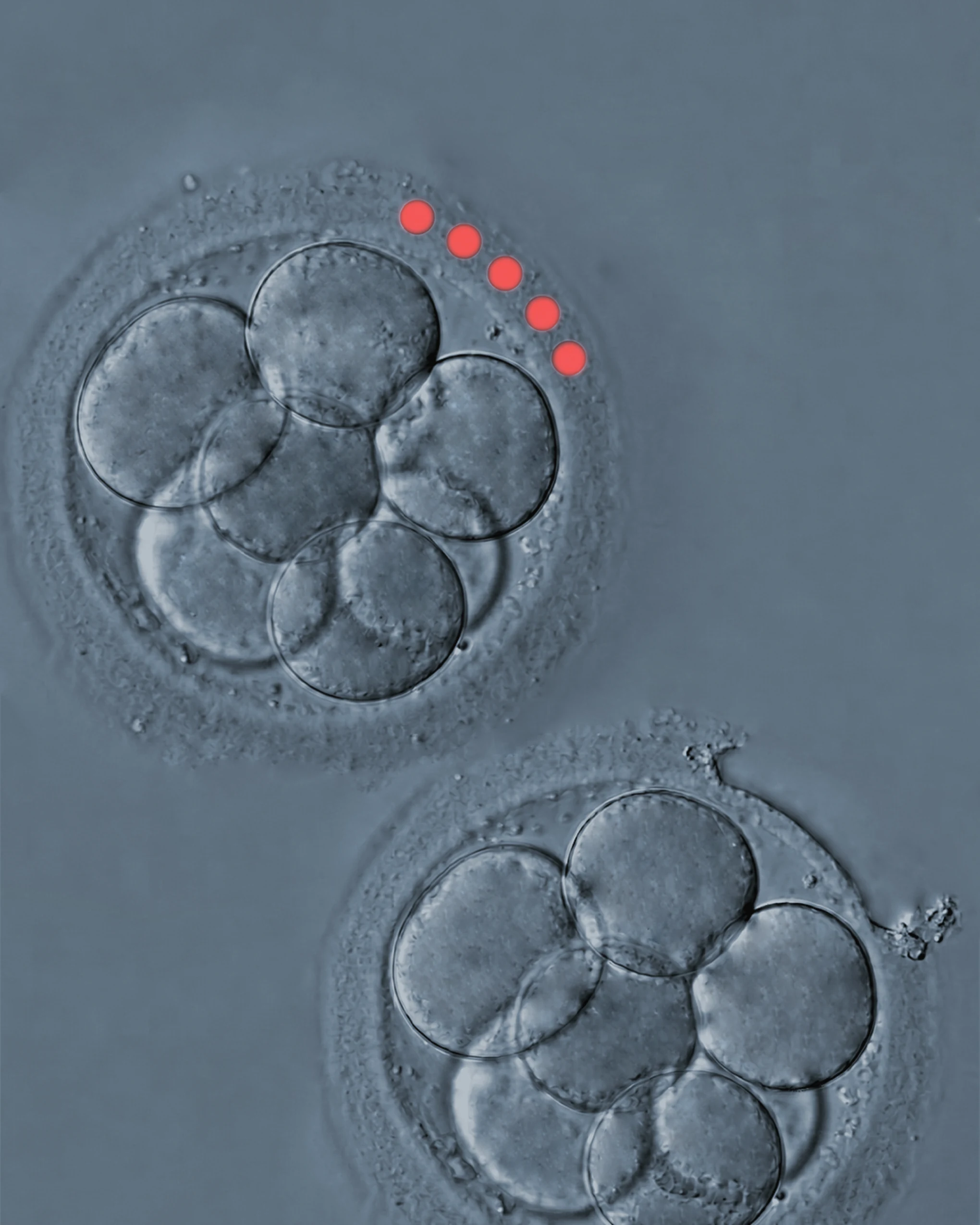
Embryo Activation

Embryo Activation

Embryo Activation

This method applies subtle vibrations in the 6–20 Hz range—similar to the natural movements an embryo experiences as it grows inside the body—to the culture environment. By creating an environment similar to that of the uterus and fallopian tubes, it helps the embryo grow more naturally and stably, and supports smooth cell division and embryonic development.

Endometrial Receptivity Test

ERA

Endometrial Receptivity Test

This test analyzes gene expression in endometrial tissue to identify the implantation window—the optimal time for embryo implantation. By determining the implantation window, which varies from person to person, we can carefully plan the timing of embryo transfer and develop a personalized embryo transfer strategy for patients who have experienced repeated implantation failures.

Artificial Intelligence (AI)-Based Embryo Analysis System

VITA EMBRYO

Artificial Intelligence (AI)-Based Embryo Analysis System

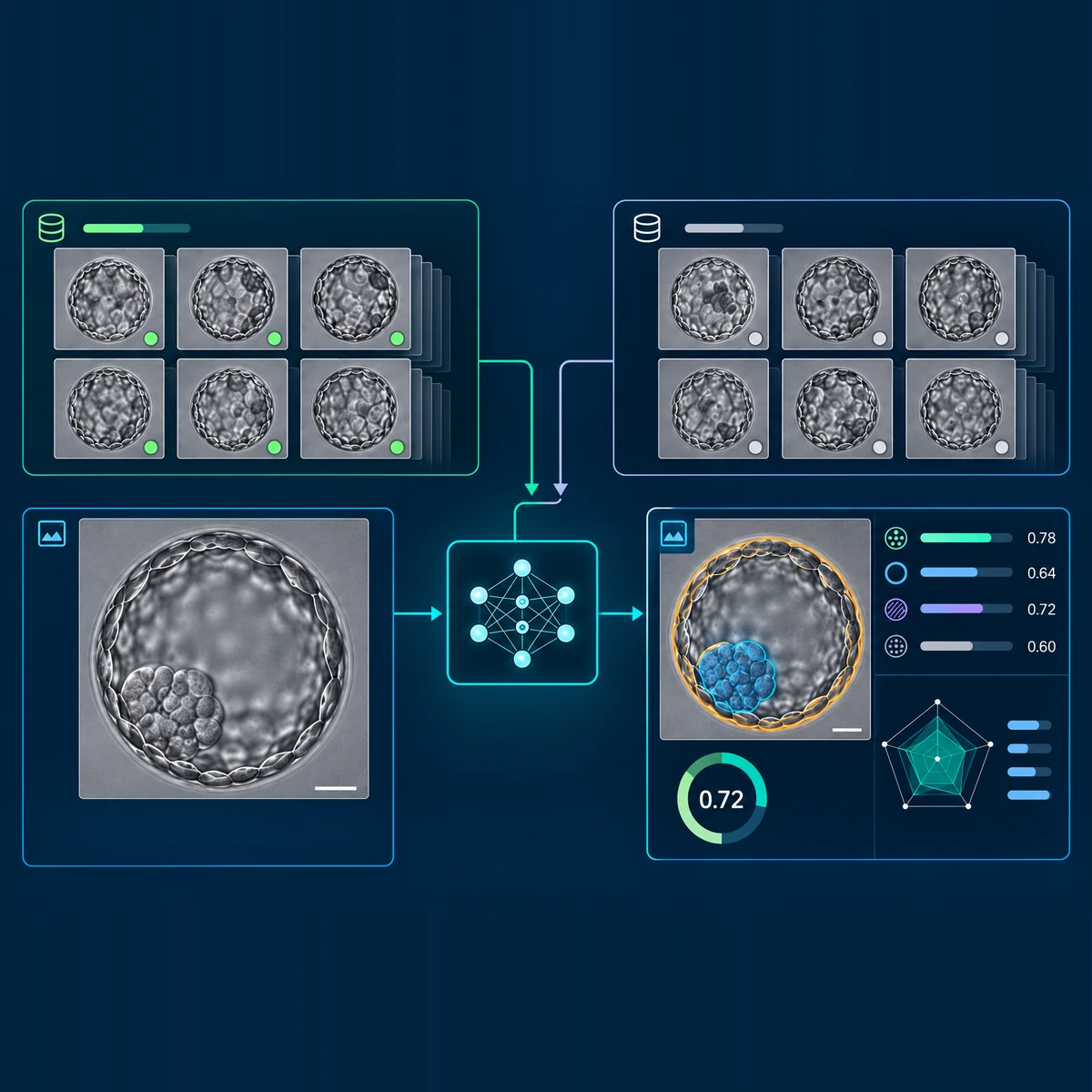
This system uses AI to analyze embryo images, objectively evaluate morphological characteristics and the likelihood of pregnancy, and help select embryos suitable for transfer. It enhances the consistency and accuracy of embryo evaluation, enabling researchers to develop embryo transfer plans based on more detailed information.

04/Cryopreservation

Fertility Preservation for the Future

We use precision cryopreservation technology to safeguard your precious potential for the long term.

Egg Freezing

Oocyte Freezing

Egg Freezing

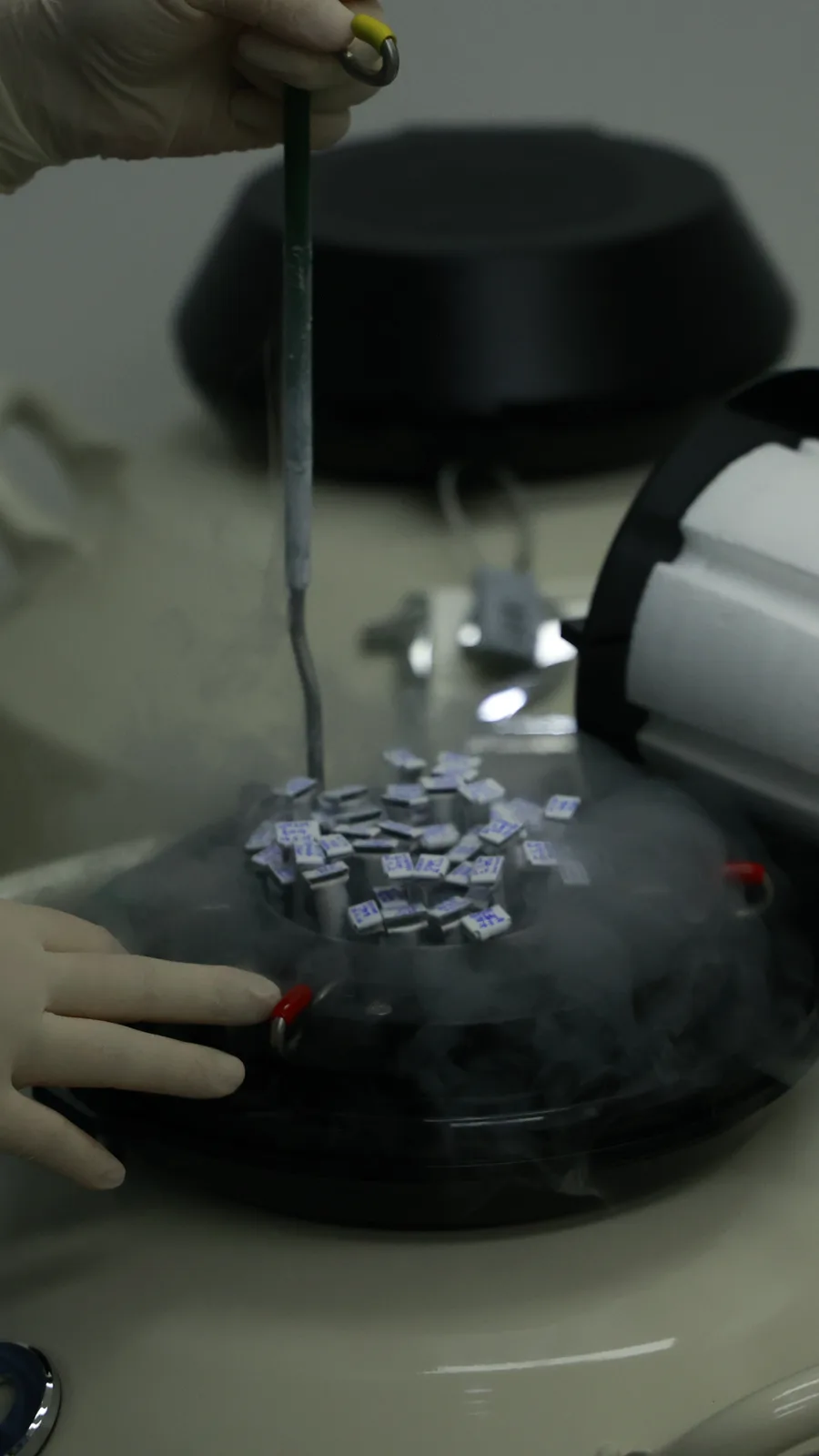
This is a fertility preservation method that involves retrieving healthy eggs and storing them at ultra-low temperatures so that a woman can prepare for pregnancy at a time of her choosing. If ovarian function is expected to decline due to cancer treatment or radiation therapy, or if a woman wishes to postpone her pregnancy plans, she can preserve her current eggs to ensure her future fertility.

Sperm Freezing

Sperm Freezing

Sperm Freezing

This is a fertility preservation method that involves collecting sperm in advance and safely storing it at ultra-low temperatures so that it can be used when the patient wishes to conceive in the future. If a decline in sperm function is anticipated prior to cancer treatment, radiation therapy, or surgery, sperm can be preserved before treatment to ensure the possibility of future pregnancy.

Embryo Freezing

Embryo Freezing

Embryo Freezing

This method involves selecting embryos based on their stage of development, safely storing them at ultra-low temperatures, and thawing them for transfer when the patient is ready to conceive. By storing embryos obtained from a single egg retrieval, the burden of additional retrievals is reduced, and patients can attempt to conceive at a more appropriate time based on their individual circumstances.

Sperm Extraction from Testicular Tissue

TESE

Sperm Extraction from Testicular Tissue

This procedure is performed when sperm cannot be detected in the ejaculate or when collection is difficult; it involves retrieving sperm directly from testicular tissue. The retrieved sperm can be used for intracytoplasmic sperm injection (ICSI), thereby expanding the possibilities for conception even for patients who have difficulty with natural sperm collection, such as those with azoospermia.

Donor Sperm for Patients with Azoospermia

AID

Donor Sperm for Patients with Azoospermia

Artificial insemination with donor sperm (AID) is a form of assisted reproduction for patients with azoospermia; it involves attempting to achieve pregnancy using donor sperm obtained through legally appropriate procedures when conception with the partner’s sperm is difficult. It offers another option for patients with azoospermia—who have difficulty obtaining sperm—to attempt pregnancy and childbirth, and the procedure is carried out only after thorough counseling and evaluation.

05/Male Infertility

Comprehensive Diagnostic System for Male Infertility

Based on a thorough evaluation, we determine the treatment plan that best suits each patient.

Sperm Analysis

Sperm Morphology Analysis

Sperm Analysis

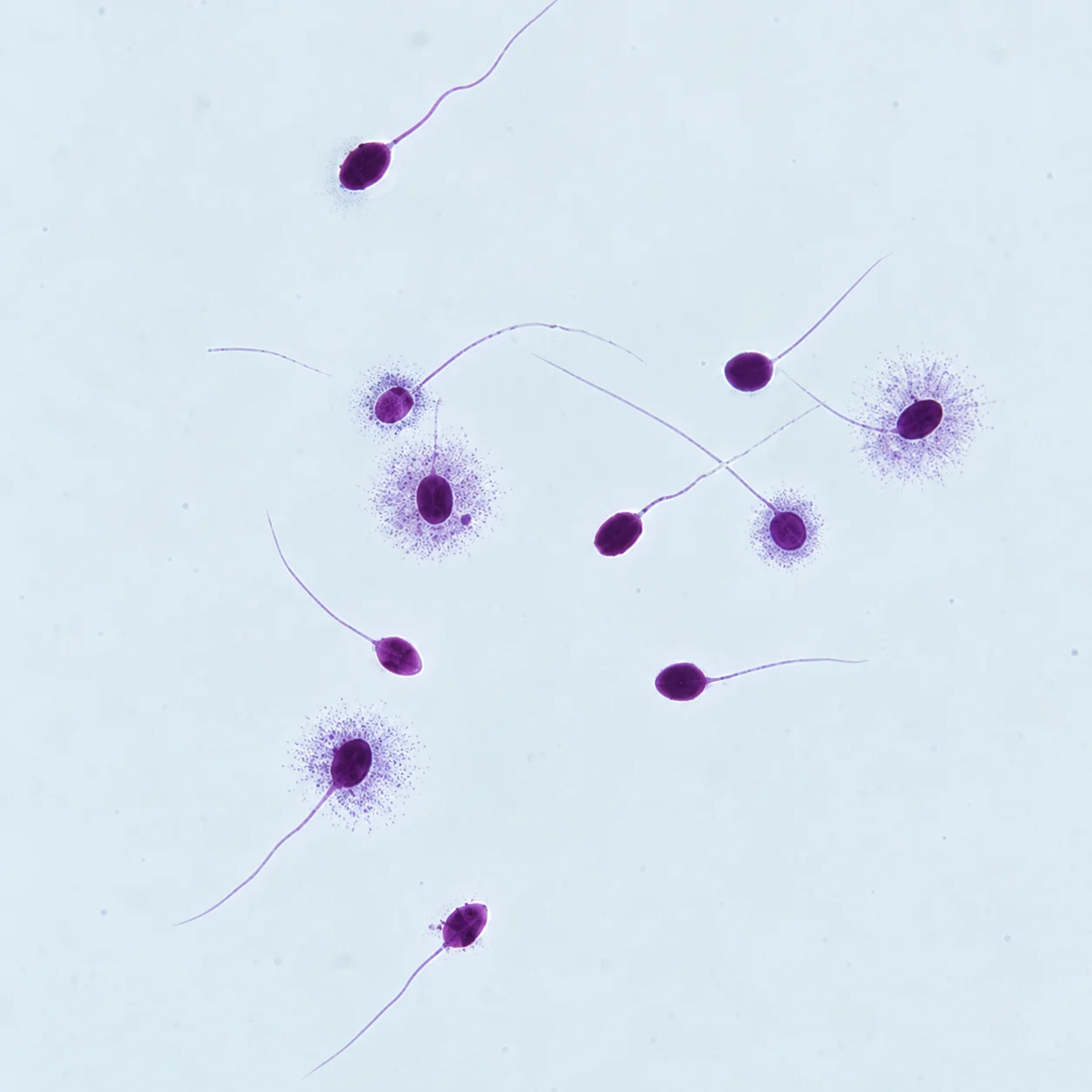
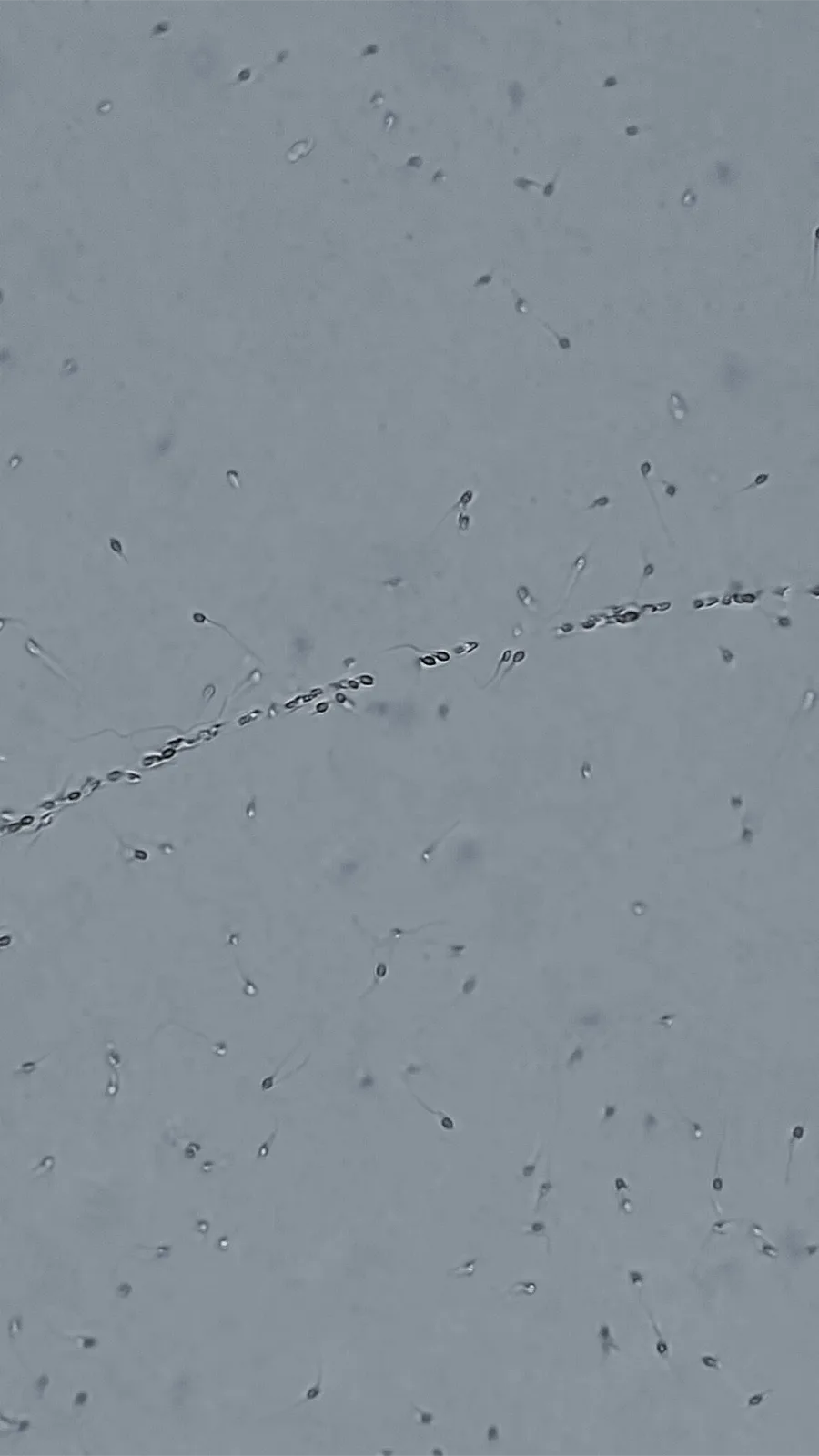
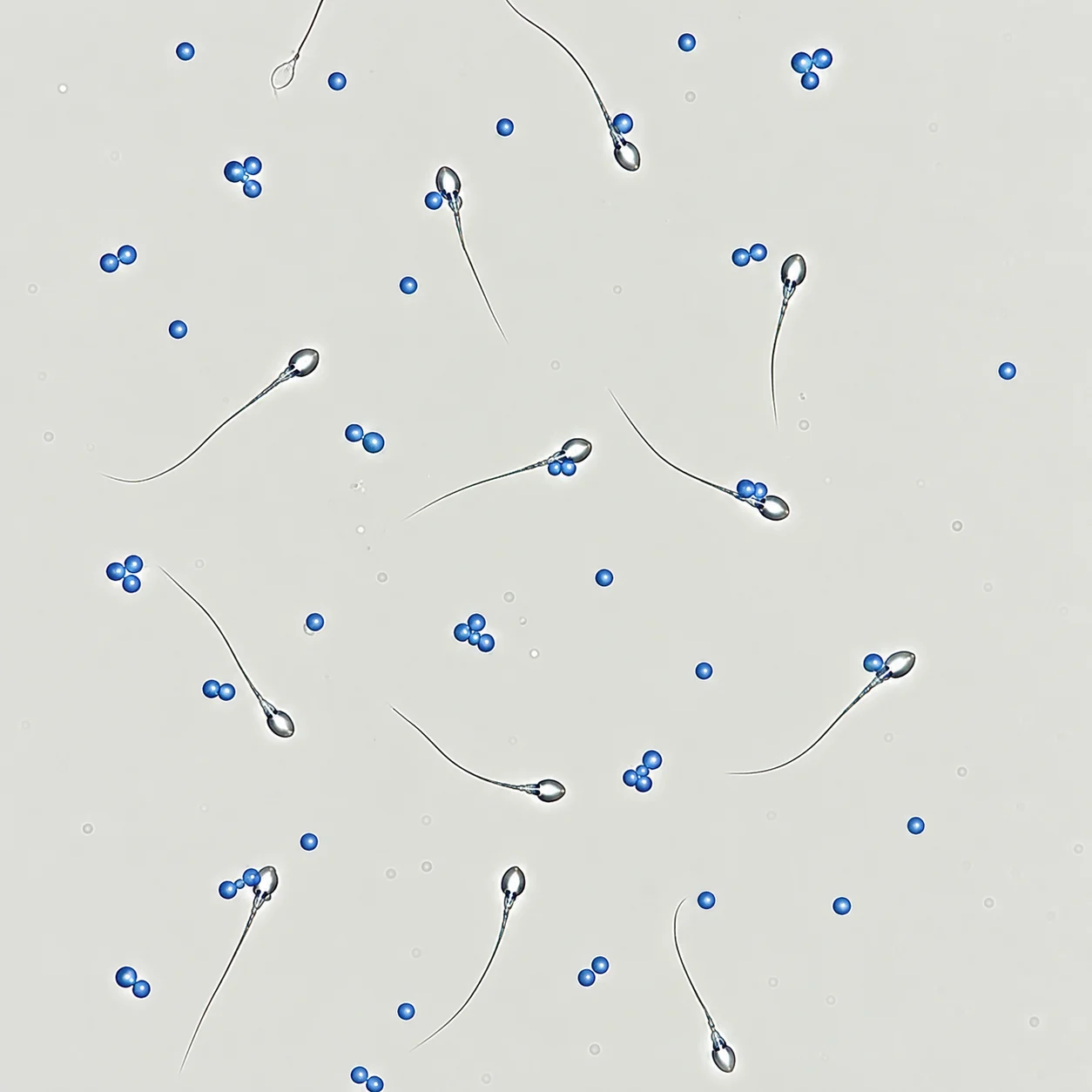
This test involves the detailed observation of sperm motility and morphology using a high-magnification specialized microscope. It identifies even subtle morphological abnormalities that are difficult to detect in a standard semen analysis, providing valuable information for determining the appropriate treatment approach. This is a detailed sperm analysis that magnifies sperm more than 6,000 times, allowing for the selection of only high-quality sperm.

Sperm DNA Damage Test

Sperm DNA Fragmentation Test

Sperm DNA Damage Test

This test measures the extent of sperm DNA damage—which is difficult to detect through a standard semen analysis alone—and evaluates the proportion of damaged sperm (DFI) among the total sperm count. It helps identify the underlying causes of recurrent fertilization failure, impaired embryo development, and miscarriage in detail, and enables the development of personalized treatment and sperm selection strategies for each patient.

Anti-sperm Antibody Test

Antisperm Antibody Test

Anti-sperm Antibody Test

This test checks for the presence of antibodies that may interfere with sperm motility or fertilization. It goes beyond a standard semen analysis to evaluate immunological causes and helps identify the exact reason for infertility or recurrent pregnancy loss, enabling the selection of an appropriate treatment plan.

06/Patient Identification

A Culture Room Management System with Enhanced Safety Features

From patient identification to culture environments and equipment, we have systems in place to ensure safety.

Facial Recognition Patient Verification

Match Witness System

Facial Recognition Patient Verification

  • Face Recognition

    Facial Recognition System

    This is a three-tiered safety management system that links a patient’s facial data, ID card, and microchip or RFID tag to repeatedly verify patient information at every stage of the handling process for oocytes, sperm, and embryos. By ensuring that specimens match the correct patient throughout the entire infertility treatment process, it prevents cross-contamination and provides a safer, more reliable treatment environment. Through a dual-verification system combining facial biometrics and microchips (RFID), we ensure a precise 1:1 match between gametes (eggs, sperm, and embryos) and embryos during in vitro fertilization (IVF) procedures, thereby maximizing the security of patients’ personal information.

Verification of Matching Throughout the Entire Germline Process

Safety System Management

Verification of Matching Throughout the Entire Germline Process

  • UPS

    Uninterruptible Power Supply

    This emergency power system helps ensure a stable power supply to the incubator in the event of a power outage or momentary voltage fluctuation. It prevents disruptions to the incubation environment caused by power outages during emergencies, thereby maintaining stable temperature and incubation conditions to safely store embryos.

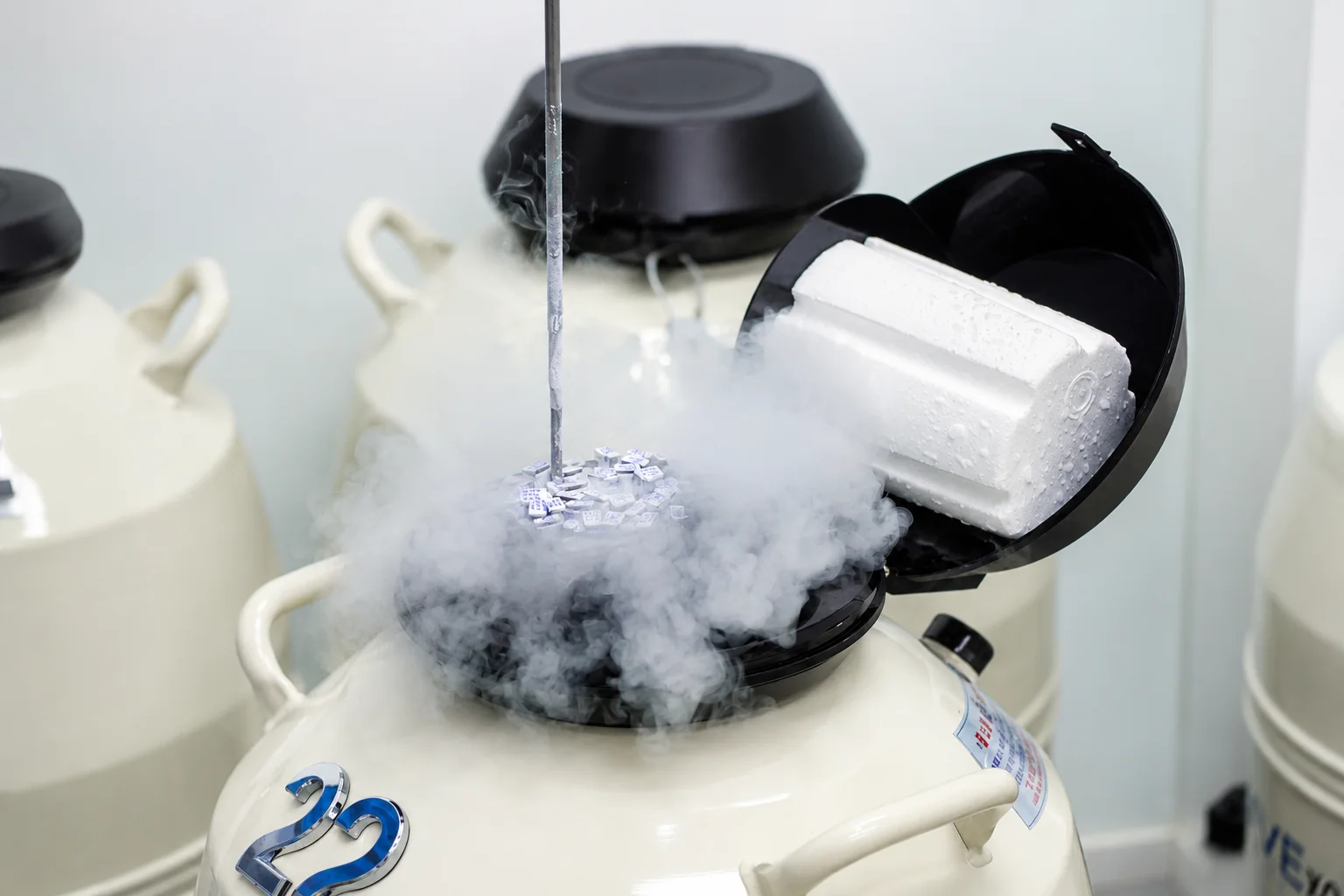
  • LN2 Tank

    Liquid Nitrogen Tank

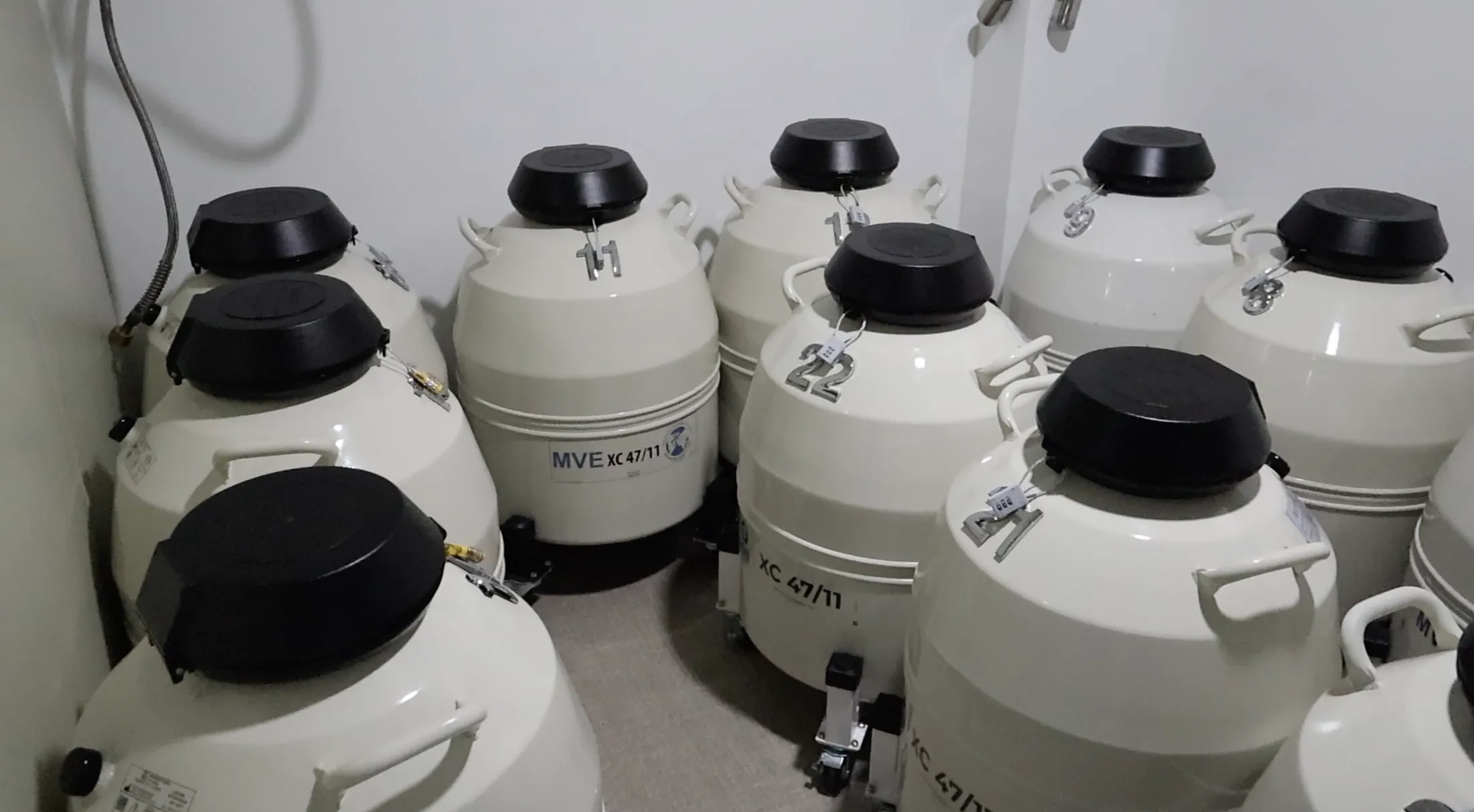
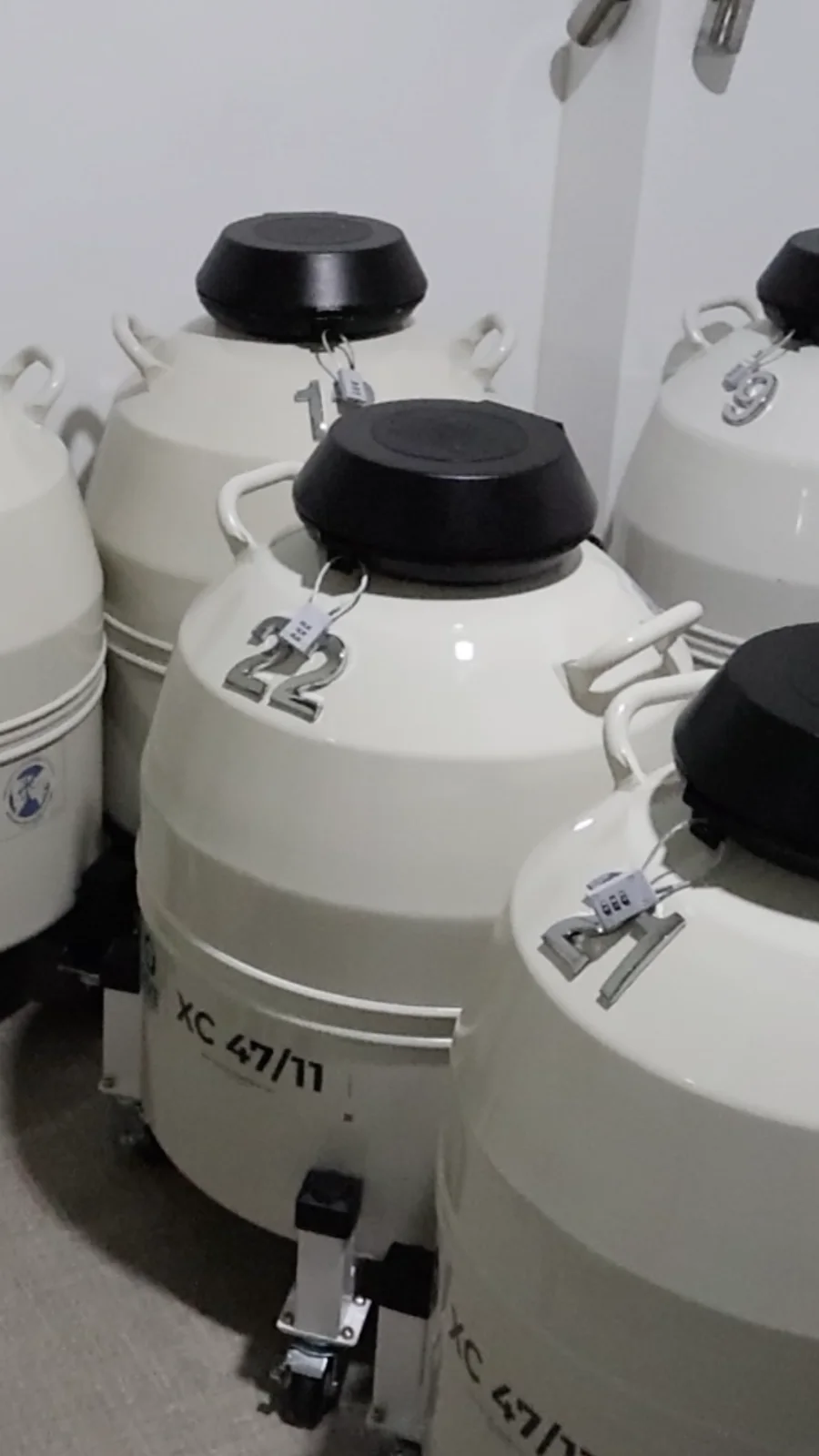
    This is a liquid nitrogen tank designed for the safe, long-term storage of eggs, sperm, and embryos at ultra-low temperatures. It continuously monitors the liquid nitrogen level and storage conditions, ensuring systematic management so that vital gametes and embryos are safely preserved in a stable environment.

  • HVAC & Air Filtration

    HVAC Systems and Dust Control Equipment

    The culture room is equipped with an air conditioning and dust-control system featuring HEPA filters to reduce fine particles and contaminants in the air, and its cleanliness is regularly monitored and maintained through microbial testing and airborne bacterial counts. We take thorough measures to ensure that oocytes and embryos are cultured in a stable environment with minimal exposure to external contamination.

Small changes observed during patient care— we explore them more deeply through research

We turn small changes and challenges in clinical practice into research to find solutions for better treatment.

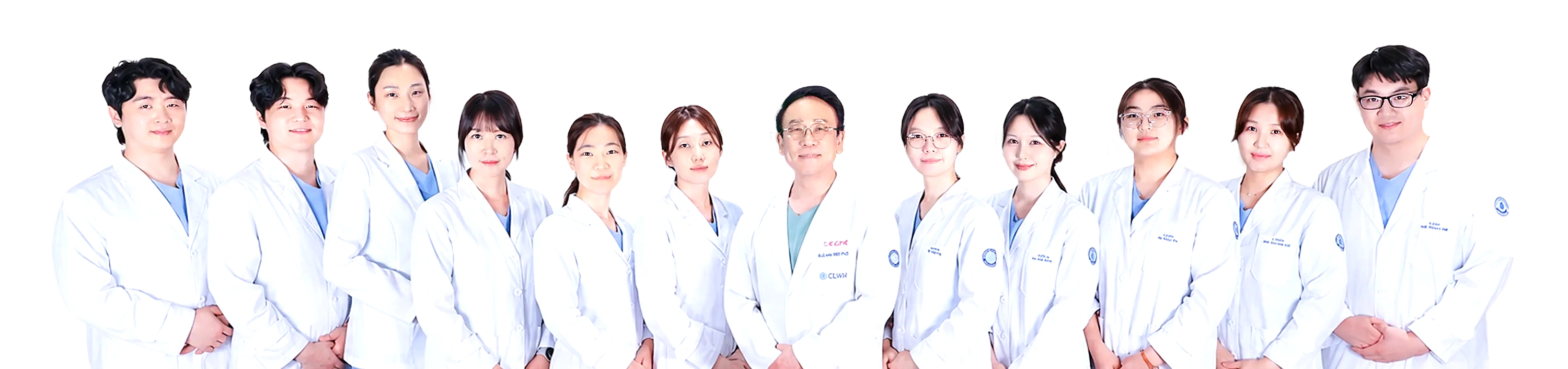
시엘병원 생식의학연구소 연구진

Directions

957 Mujin-daero, Seo-gu, Gwangju

Contact Number

062-368-1700
Weekdays
8:30 a.m. – 4:30 p.m.

Lunch Break: 12:30 p.m. – 2:00 p.m.

Saturday
8:00 a.m. – 1:00 p.m. (No lunch break)
Sunday
Closed
Public Holiday
9:00 a.m. – 12:00 p.m. (On-call director sees only patients with scheduled infertility appointments)
시엘병원

957 Mujin-daero, Seo-gu, Gwangju Metropolitan City, Jeollanam-do (13-21, Gwangcheon-dong)|Inquiries: 062-368-1700 Fax: 062-368-1703
Dr. Choi Beom-chae, Chief Director of CL Hospital Business Registration Number 410-90-39120

Copyright ⓒ 2026 Creation & Love Women's Hospital. ALL RIGHTS RESERVED