Today's hours: Closed

 네이버지도
 카카오맵
 구글지도
 TMAP

IUI : Intrauterine Insemination
Precise Artificial Insemination Timed to Coincide with Ovulation
Selected and processed sperm are injected directly into the uterus to create conditions that most closely resemble natural fertilization.
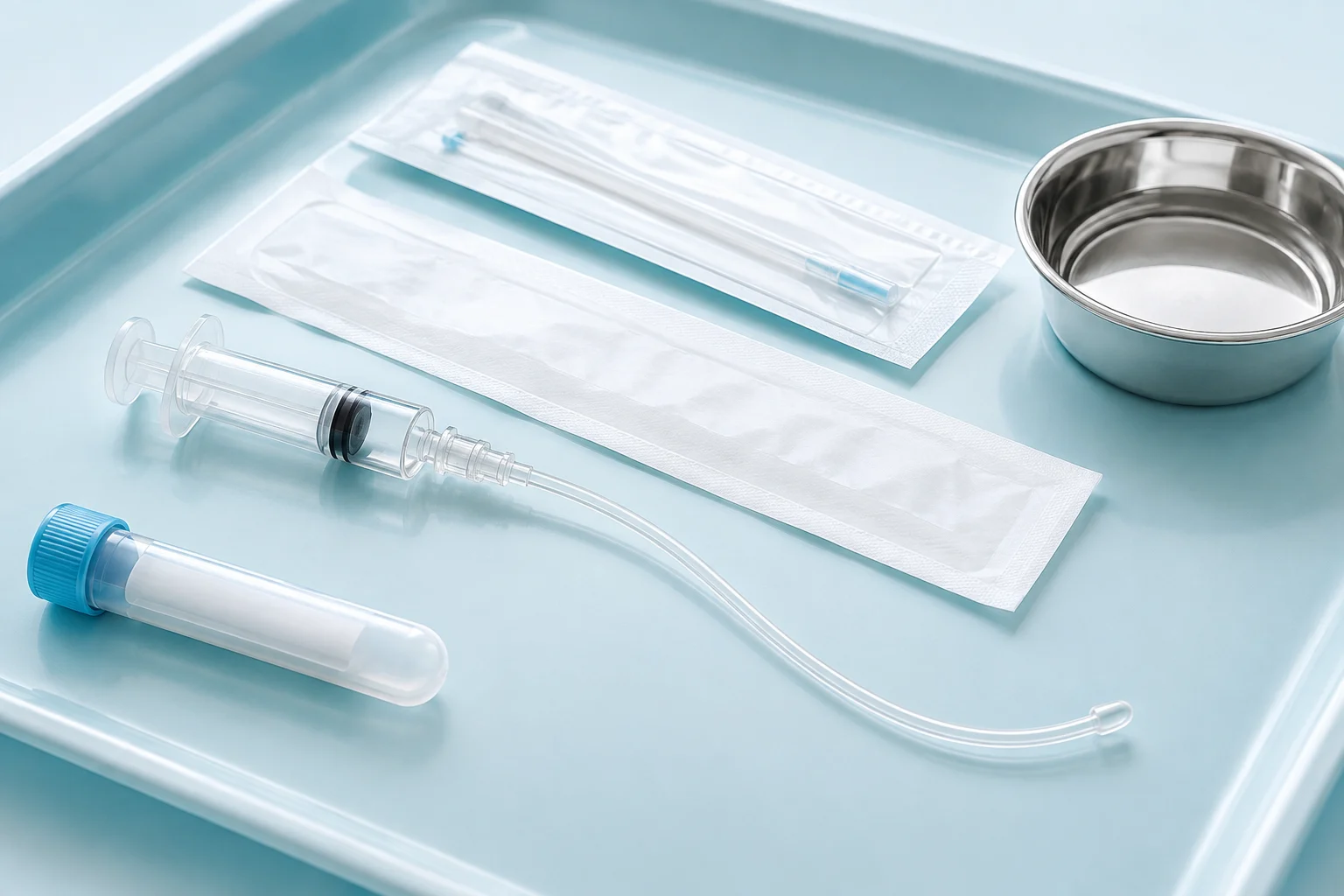
What is IUI
What is Intrauterine Insemination (IUI)?
Intrauterine insemination (IUI) is a fertility treatment in which semen collected around the time of ovulation is specially processed to select and concentrate motile sperm, which are then injected directly into the woman’s uterus.
Although the process is similar to natural conception, directly injecting sperm into the uterus can help increase the likelihood that the sperm will reach the egg. The procedure is brief and generally does not require anesthesia, making it relatively minimally invasive.
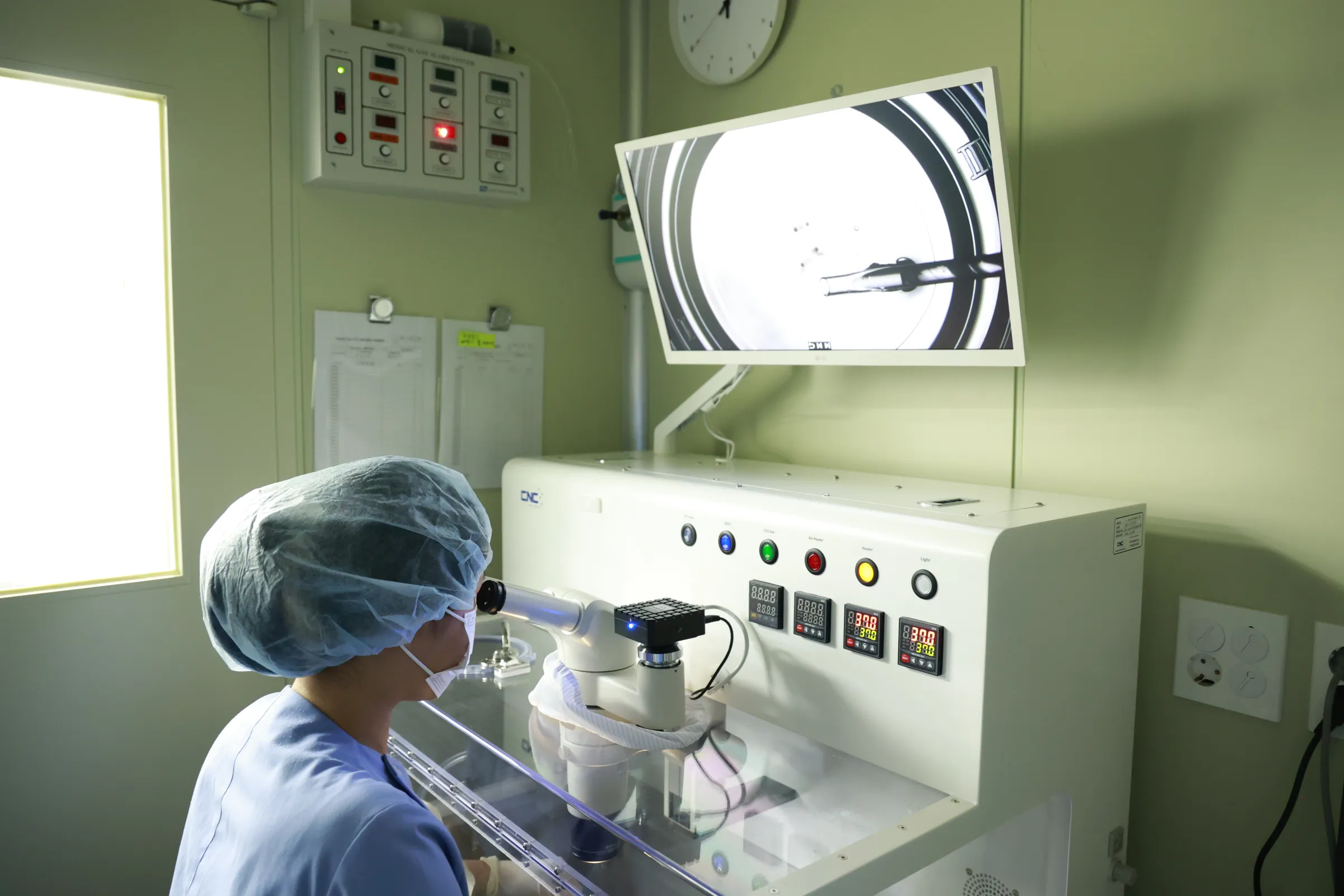
The true triumph over infertility is not the news of a pregnancy, but the birth of a healthy baby.
Process
The Artificial Insemination Process
- 1Basic Examination
- 2Ovulation Induction and Follicle Monitoring
- 3Semen Collection and Sperm Processing
- 4Artificial Insemination
- 5Pregnancy Confirmation
- 01

Basic Examination
Basal evaluation
Before attempting to conceive, we conduct a comprehensive evaluation of the couple’s fertility factors, including the woman’s ovarian function, the condition of her uterus and fallopian tubes, and the man’s sperm quality.
1)Basic Blood Tests and Ovarian Function Tests
2)Semen Analysis
We evaluate the condition of a man’s sperm by examining its count, motility, and morphology to determine whether it is suitable for artificial insemination.
3)Hysterosalpingography
This test examines the structure of the uterus and fallopian tubes and determines whether the fallopian tubes are open.
- 02

Ovulation Induction and Follicle Monitoring
Ovulation induction & Follicular monitoring
We monitor follicle growth using the natural cycle or ovulation-inducing medications and use ultrasound to assess the condition of the follicles and the endometrium. We determine the timing of ovulation based on the condition of the mature follicles and schedule the artificial insemination accordingly.
- 03

Semen Collection and Sperm Processing
Semen preparation
Semen collected on the day of the procedure is specially processed to remove impurities and sperm with low motility; sperm with good motility are then selected and concentrated to prepare the sample for artificial insemination.
- 04

Artificial Insemination
IUI
Prepared sperm is injected directly into the uterus using a thin catheter. Generally, anesthesia is not required, and because the procedure is brief, the physical strain is relatively minimal.
- 05

Confirming Pregnancy
Pregnancy test by β-hCG
About two weeks after artificial insemination, a blood test (β-hCG) is performed to confirm whether pregnancy has occurred.
Indication
This is helpful for people like this
Artificial insemination may be considered in the following cases.
- In cases where sperm count or motility is somewhat reduced
- When there is insufficient cervical mucus or when its viscosity is too high, making it difficult for sperm to move
- If you have difficulty engaging in normal sexual relations or timing intercourse to coincide with ovulation
- In cases of persistent infertility with no clear cause
- When at least one fallopian tube is open and functioning normally
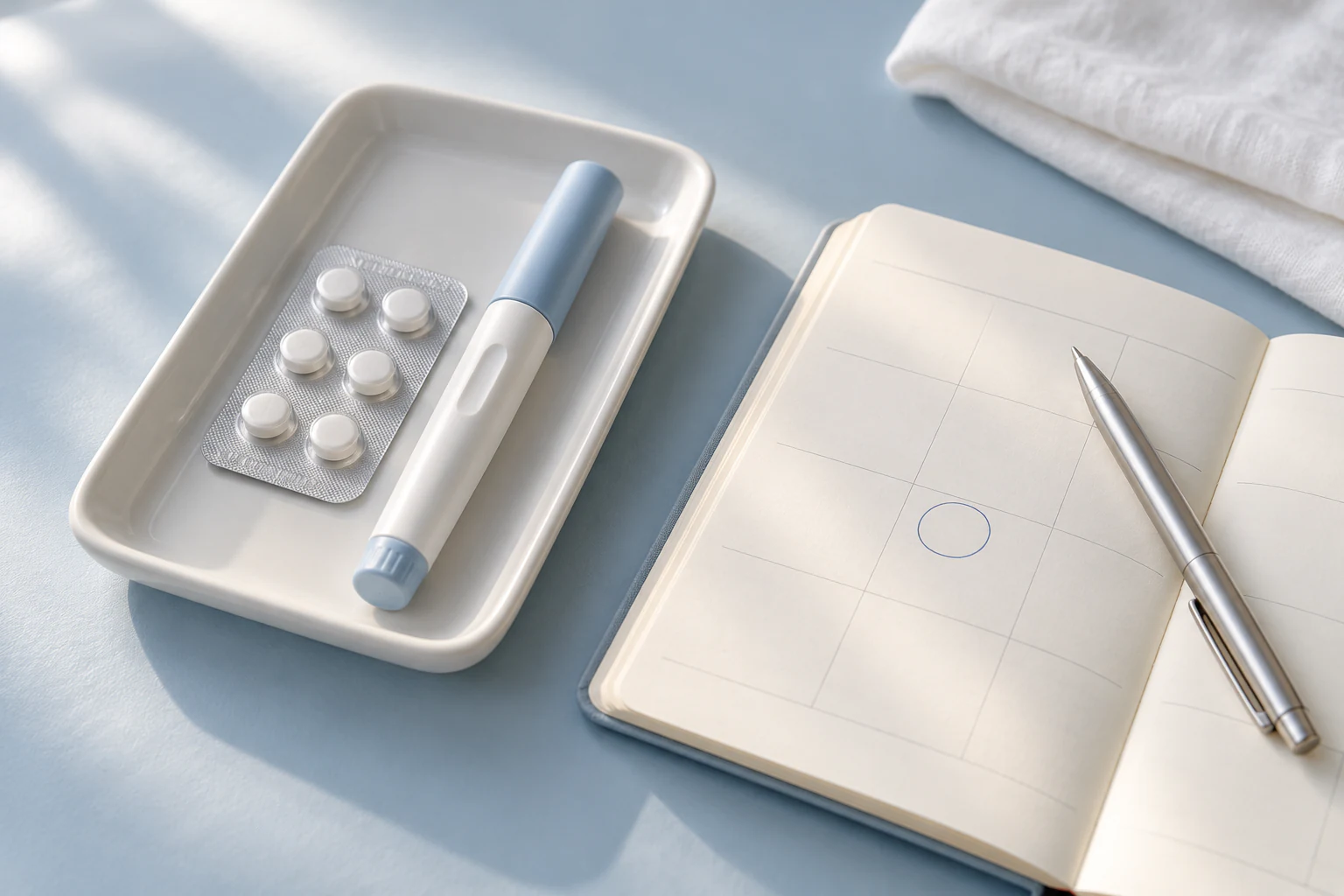
What is Ovulation Induction
What is ovulation induction?
Ovulation induction is a treatment used when ovulation is irregular or does not occur smoothly; it involves using ovulation-inducing medications (oral or injectable) to promote follicle growth and ensure ovulation occurs at the appropriate time.
While prioritizing natural conception, this treatment induces the release of a mature follicle, and couples are advised to have intercourse during the time when the likelihood of pregnancy is highest.
If necessary, ultrasound examinations are used to monitor follicle growth and the condition of the endometrium to determine the optimal time for ovulation.
When to Consider
Ovulation Induction: When Is It Performed?
- If ovulation is irregular or does not occur properly
- In cases of ovulation disorders, such as polycystic ovary syndrome (PCOS)
- Cases where ovulation occurs but pregnancy is difficult to achieve
- When performed to increase the chances of pregnancy in cases of unexplained infertility
Ovulation Induction
Methods for Inducing Ovulation
Artificial insemination can be performed during the natural cycle or in conjunction with ovulation induction. The appropriate method is determined based on the patient’s age, ovarian function, follicular growth, and the condition of the endometrium.
- 01
Oral ovulation-inducing drugs
Ovulation-inducing medications are taken to stimulate follicle growth and promote ovulation.
- 02
Injection for Ovulation Induction
We use injections to promote follicle growth and monitor the growth of the follicles through ultrasound examinations.
- 03
Follicle and Endometrial Monitoring
An ultrasound exam is used to check the size of the follicles and the condition of the endometrium to determine the optimal time for ovulation.
- 04
Determining the Ovulation Period and Trying to Conceive
Depending on the condition of the mature follicles, the timing of ovulation can be determined, and either natural conception or artificial insemination can be performed.

We’ll help you get ready for your next season
Consult with CL Hospital to begin the most appropriate treatment