Today's hours: Closed

 네이버지도
 카카오맵
 구글지도
 TMAP

IVF-ET : In Vitro Fertilization and Embryo Transfer
From in vitro fertilization to embryo transfer, we manage the entire process.
The laboratory handles the entire process in-house, from ovulation induction to egg retrieval, fertilization, and embryo culture, all the way through to embryo transfer.
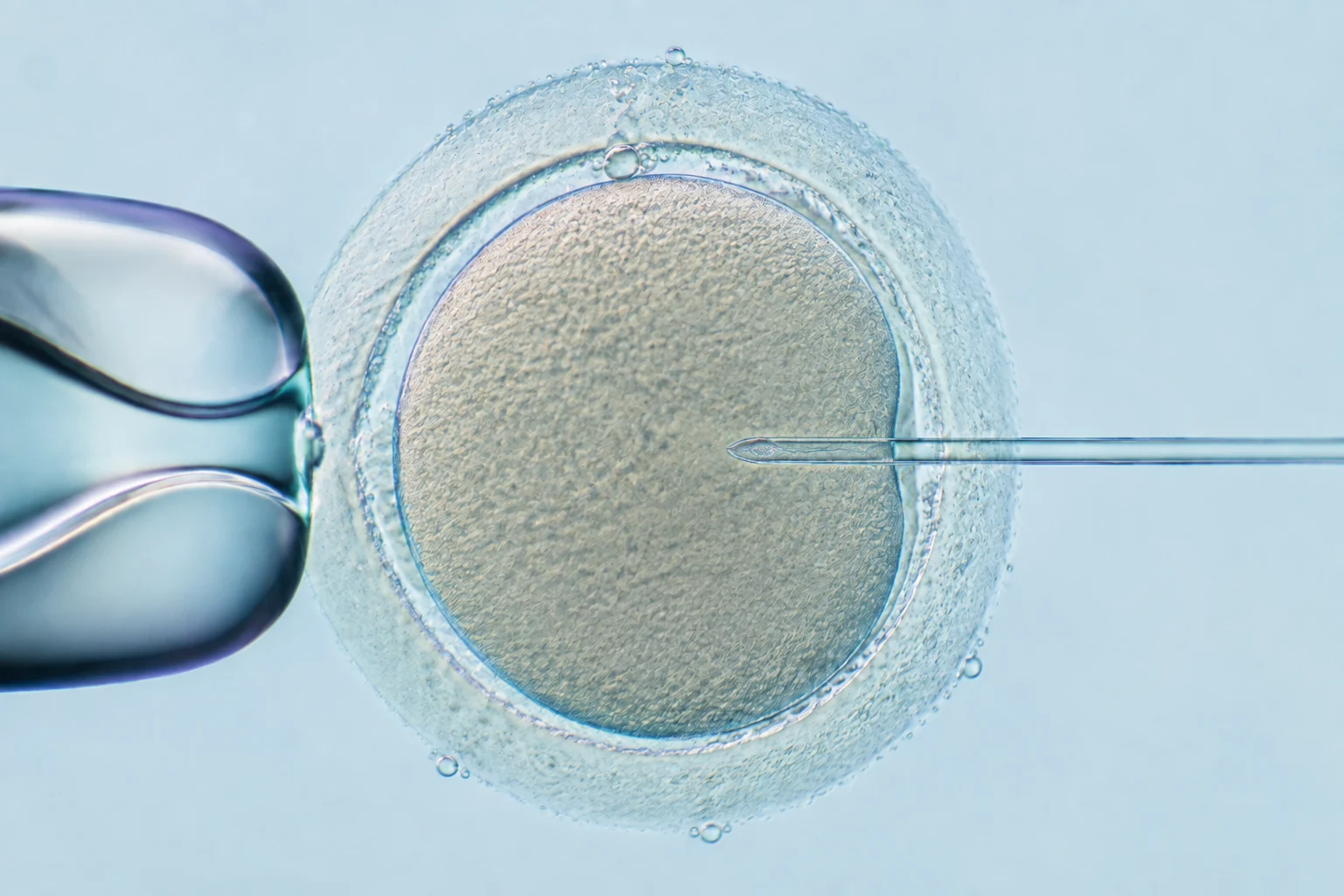
What is IVF-ET
What is in vitro fertilization (IVF)?
This procedure involves administering ovulation-inducing medications to stimulate the growth of multiple follicles, retrieving the eggs, and selecting sperm with good motility from the partner to induce fertilization outside the body. The fertilized embryos are cultured in an incubator for 2 to 5 days and then transferred to the uterus to induce pregnancy.

The true triumph over infertility is not the news of a pregnancy, but the birth of a healthy baby.
Indication
If you are considering the procedure
- 01
Challenges
When both fallopian tubes are blocked or their function is impaired
- 02
Male Infertility
Cases where natural conception is difficult due to issues with sperm count, motility, or morphology, or due to azoospermia
- 03
Endometriosis
Cases where in vitro fertilization is necessary, taking into account the severity of the condition and other factors contributing to infertility
- 04
Decline in Ovarian Function
When active treatment is necessary, taking into account factors such as age and ovarian reserve
- 05
Ovulation Disorders
When pregnancy is difficult to achieve through other treatments alone, such as ovulation induction
- 06
Infertility of Unknown Cause
Cases where pregnancy does not occur despite no clear cause being identified
- 07
Other
If you have been unable to conceive despite previous infertility treatment, or if preimplantation genetic testing is required
※ The decision to proceed with the procedure is made after consulting with the medical staff, taking into account test results, the duration of infertility, and previous treatment history.
IVF-ET Procedure
The In Vitro Fertilization (IVF) Process
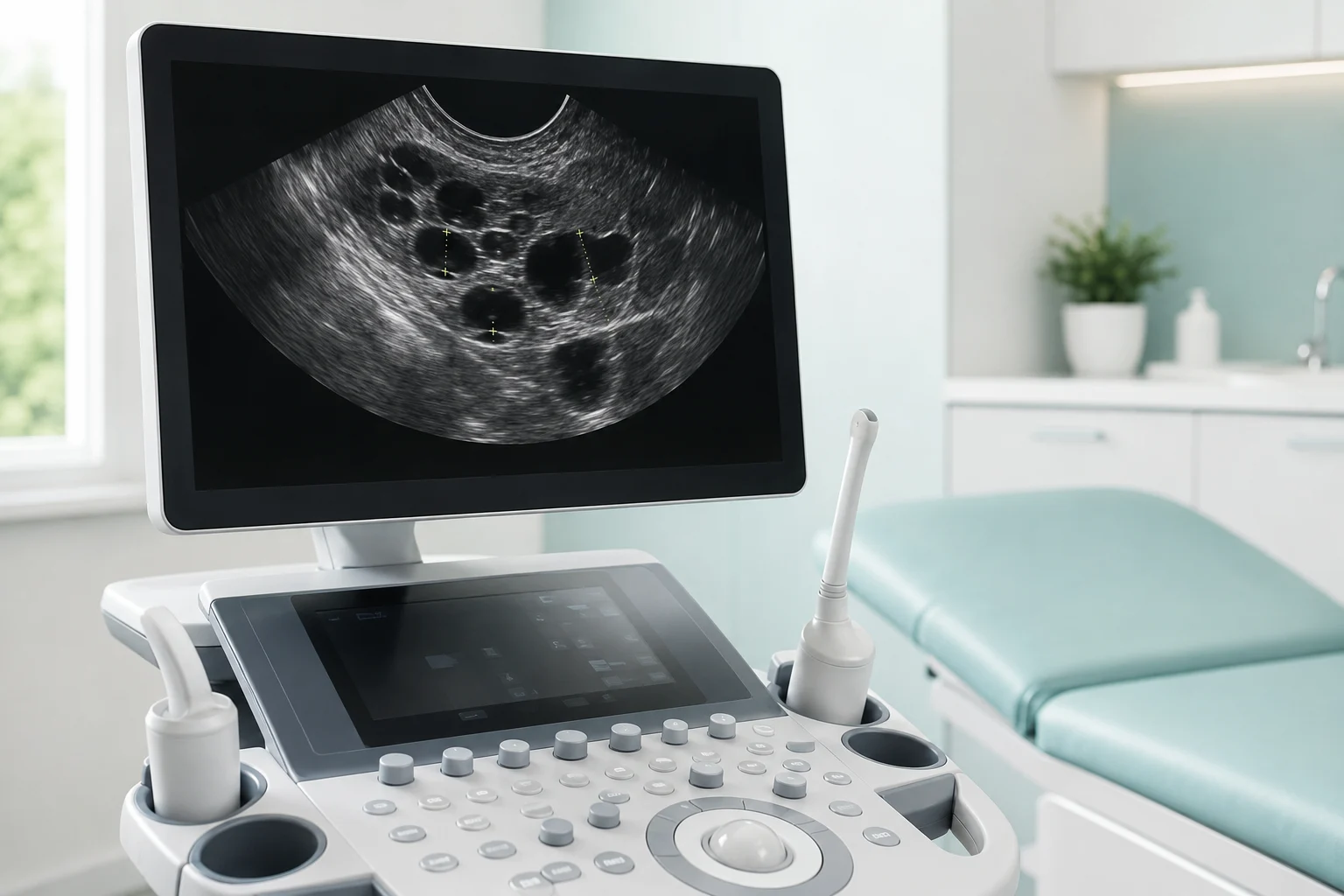
Ovulation Induction and Monitoring
Early in the menstrual cycle, we conduct a comprehensive evaluation of the patient’s age, ovarian reserve, hormone levels, and response to previous treatments, and then use ovulation-inducing medications to stimulate the simultaneous growth of multiple follicles. During treatment, transvaginal ultrasounds and blood tests are used to monitor the number and size of the follicles, as well as changes in hormones such as estradiol (E2), and the type and dosage of medication are carefully adjusted accordingly. Once the follicles have matured sufficiently, an ovulation-inducing injection is administered at the optimal time to bring about final egg maturation.
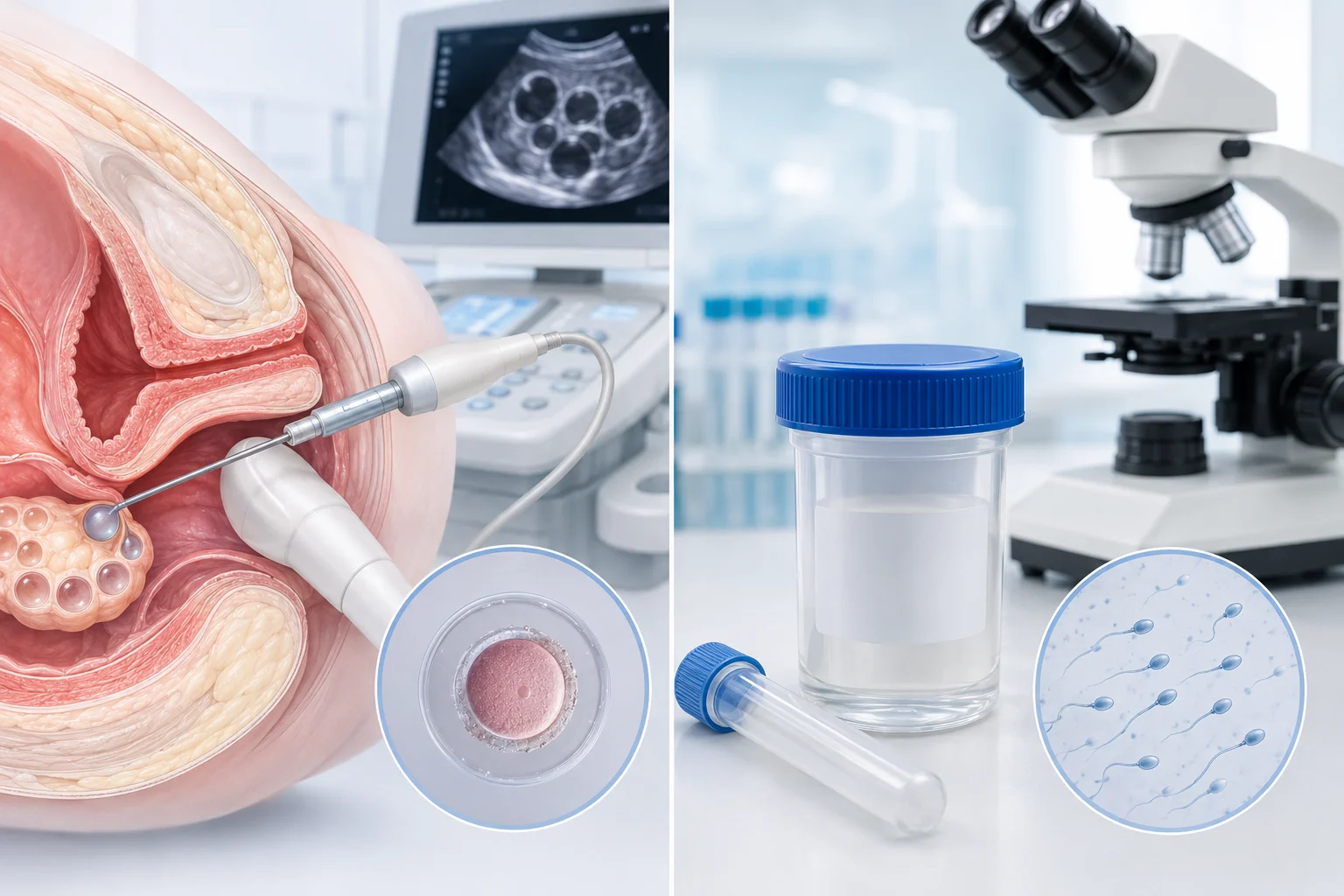
Egg and Semen Collection
Once the follicles have matured sufficiently, approximately 34 to 36 hours after the final maturation-induction injection, the eggs are retrieved by aspirating follicular fluid with a fine needle while monitoring the procedure via transvaginal ultrasound. Semen is typically collected on the day of egg retrieval; after processing in the laboratory, sperm with good motility and quality are selected for fertilization.
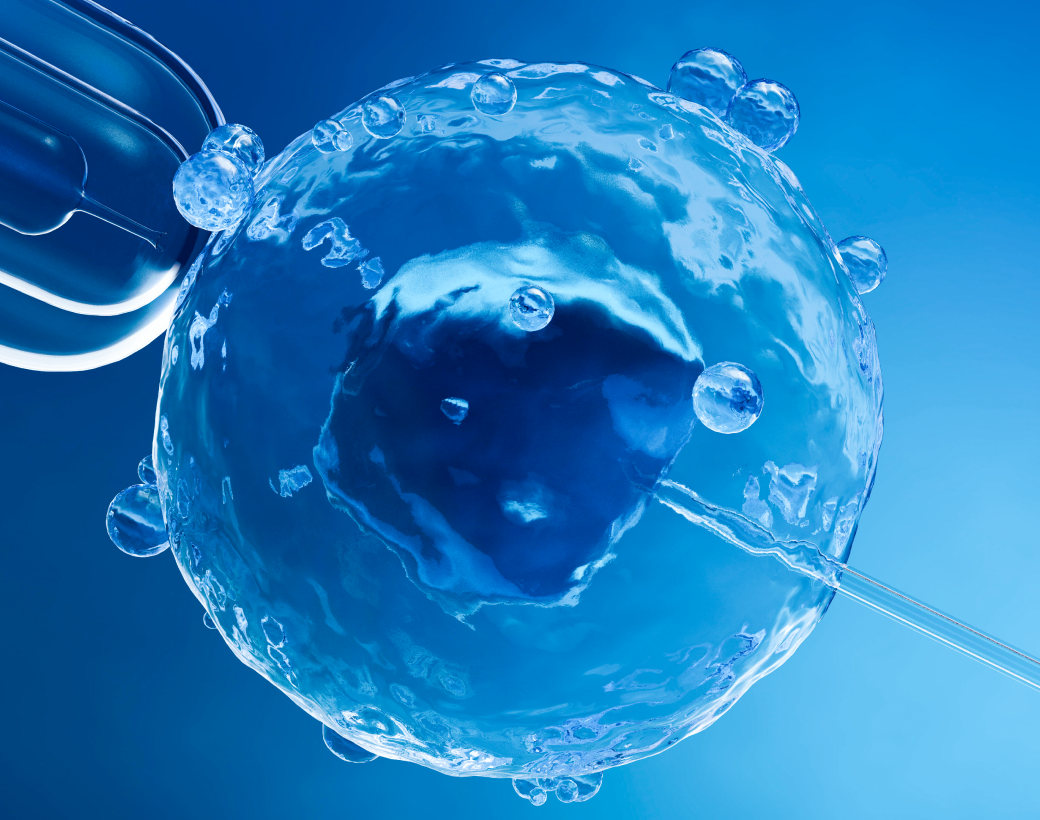
Fertilization and Embryo Culture
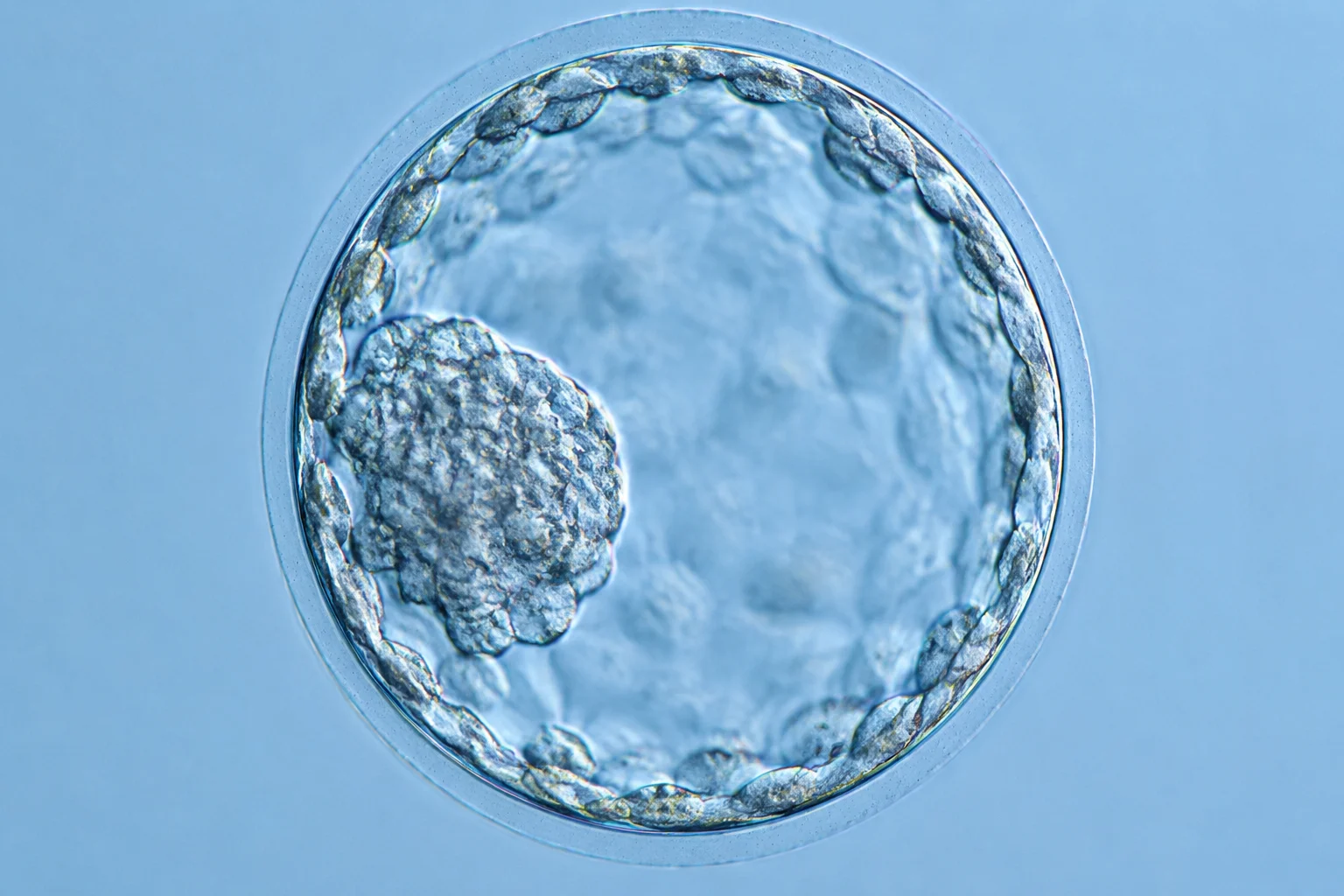
Depending on the patient’s condition, fertilization is attempted using either standard in vitro fertilization (IVF) or intracytoplasmic sperm injection (ICSI) with the retrieved eggs and selected sperm. After confirming whether fertilization has occurred, the embryos are cultured in an incubator where the temperature and gas concentration are precisely controlled.
Embryo Transfer and Cryopreservation
Among the cultured embryos, those suitable for transfer are selected based on the patient’s condition and the embryo’s stage of development, and then transferred into the uterus using a thin catheter. Fresh embryo transfer is performed at the appropriate time based on the embryo’s developmental stage and the condition of the endometrium. Among the embryos not transferred, those suitable for freezing are safely preserved using vitrification for use in future treatment cycles. Pregnancy is confirmed via a blood test after a certain period following the transfer.

Let’s Build a Healthy Start Together
Begin your journey toward the most precise IVF treatment with CL Hospital