Today's hours: Closed

 네이버지도
 카카오맵
 구글지도
 TMAP

RSA : Recurrent Spontaneous Abortion
We identify the causes of recurrent miscarriages
This condition is diagnosed following three or more consecutive miscarriages before 20 weeks of pregnancy, and tests for immune, uterine, and chromosomal factors are conducted in stages.

What is RSA
What is recurrent miscarriage?
Three or more consecutive miscarriages occurring before 20 weeks of pregnancy, regardless of previous delivery history. Recurrent miscarriage accounts for only 1–3% of all pregnancies, but the risk of miscarriage increases with each subsequent occurrence.
As miscarriages occur repeatedly, the likelihood of another miscarriage increases, and the mother’s fear of miscarriage often becomes extreme.
Causes
Causes of Recurrent Miscarriage

Immunological Causes
A blood clot formed, preventing the supply of nutrients and oxygen to the fetus, resulting in a miscarriage
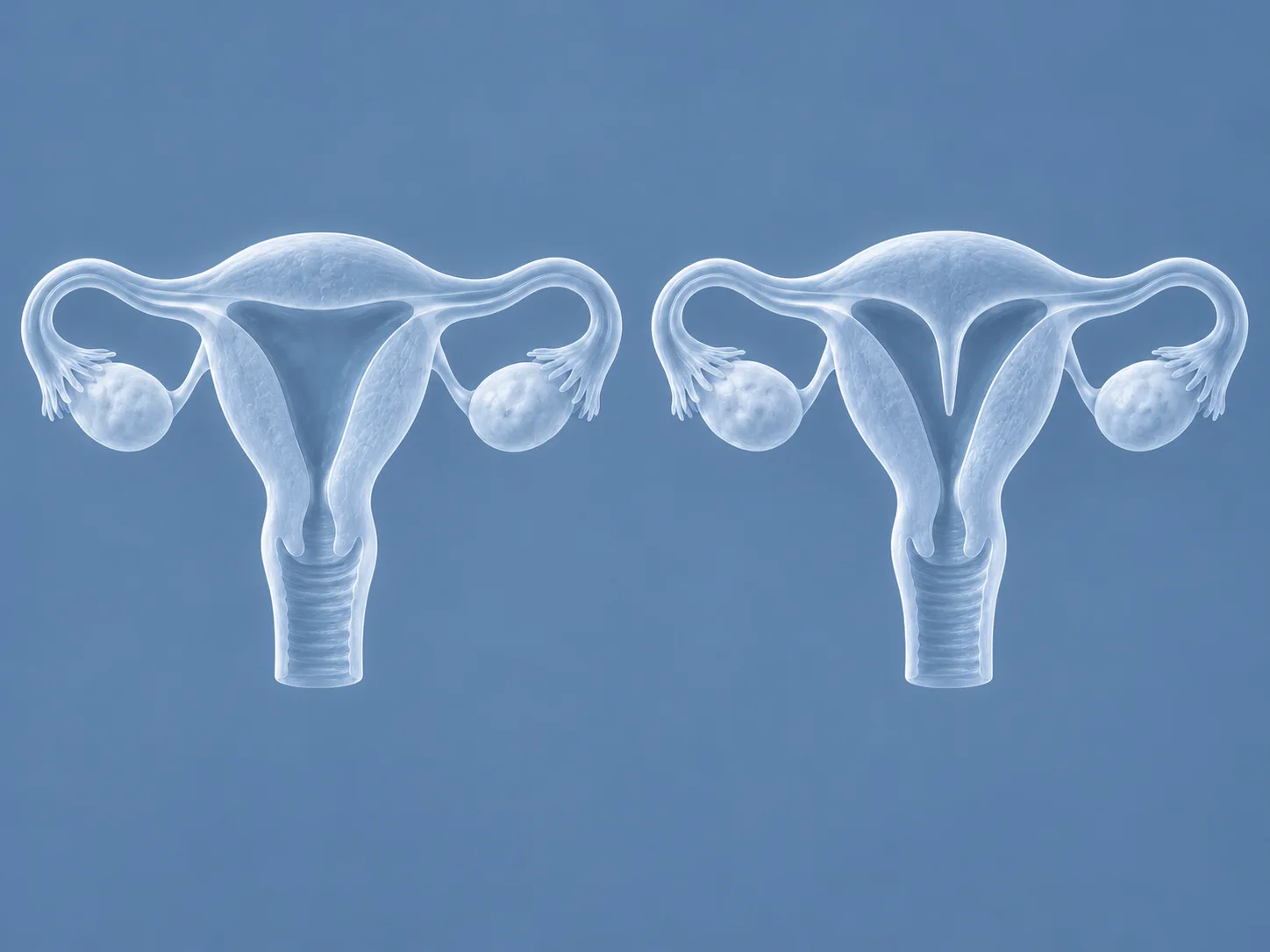
Structural Abnormalities of the Uterus
In cases of uterine malformation, the miscarriage rate ranges from 40 to 70 percent.

Chromosomal abnormalities in parents
Intrauterine bacterial infections, hormonal imbalances and metabolic disorders, stress, and late marriage
As a woman ages, the risk of chromosomal abnormalities in the embryo and the risk of miscarriage may increase. The impact of uterine structural abnormalities varies depending on their type and severity.

Treatment
How is it treated?
Treatment is tailored to the identified cause. If antiphospholipid syndrome is diagnosed, low-dose aspirin and heparin therapy may be considered for appropriate patients. If the patient has thyroid disease or diabetes, management is required both before and after pregnancy. For uterine structural abnormalities, the need for treatment is determined based on the type of abnormality and the patient’s medical history.
Even when the cause is unclear, close monitoring of the pregnancy and emotional support are important. Extensive immunological testing, such as NK cell testing, or the routine use of steroids and immunoglobulins is not generally recommended for all patients. Since recommendations vary by professional society in certain limited situations, patients should thoroughly discuss the expected benefits, limitations of the evidence, potential side effects, and costs.
So that you don’t have to face the anxiety and sadness of recurrent miscarriages alone, we will support you every step of the way with the counseling and medical care you need.

Let’s prepare for your next pregnancy together
From the causes of recurrent miscarriage to preparing for your next pregnancy, consult with CL Hospital.