Today's hours: Closed

 네이버지도
 카카오맵
 구글지도
 TMAP

PCOS : Polycystic Ovary Syndrome
Don't miss the signals your body sends you
Polycystic Ovary Syndrome: Early Diagnosis and Management Are the Key
PCOS Clinic
Polycystic Ovary Syndrome
Women with irregular periods often dismiss the issue as being caused by nervousness, hormonal imbalances, stress, or a “cold” body, rather than identifying the underlying cause. If you are overweight, have hirsutism, and experience irregular periods along with infertility or recurrent miscarriages, you should first consider the possibility of polycystic ovary syndrome.
What is PCOS
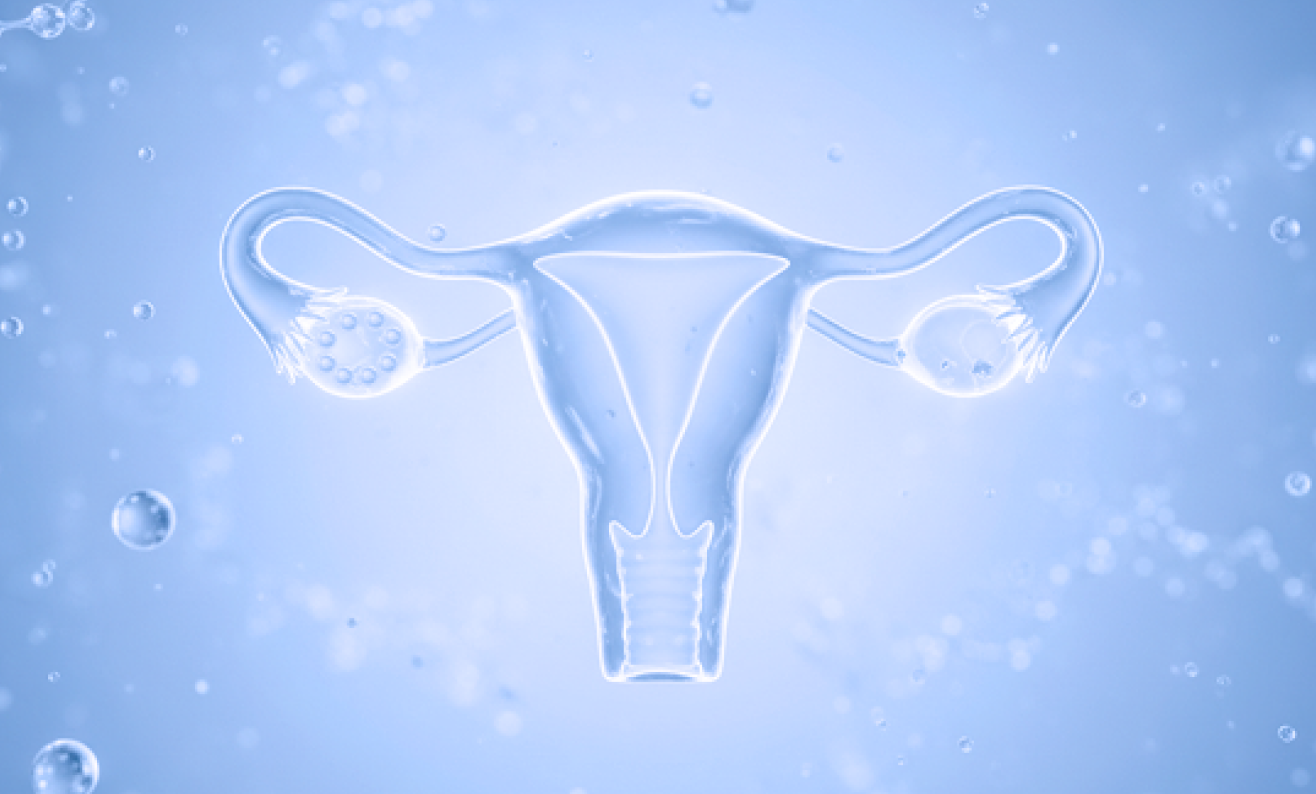
What is polycystic ovary syndrome?
This syndrome causes various symptoms such as irregular menstrual cycles, acne, hirsutism, infertility, and recurrent miscarriages. It affects 5–10% of women of childbearing age, and as the number of obese patients surges, the number of patients with polycystic ovary syndrome is also on the rise.
It is found in 30–75% of women with infertility due to ovulation disorders. Without appropriate treatment, the risk of lifestyle-related diseases (diabetes, heart disease), as well as endometrial cancer and breast cancer, increases; therefore, early detection, diagnosis, and treatment are essential.
Symptoms
Symptoms of Polycystic Ovary Syndrome
- 01
Irregular Menstrual Cycles
Delayed menstruation, amenorrhea, or irregular bleeding— whether light or heavy
- 02
Skin and Beauty-Related Symptoms
Acne, male-pattern excessive body hair (face, chest, abdomen), male-pattern hair loss, skin pigmentation
- 03
Infertility Due to Ovulation Disorders
- 04
Overweight, Obesity (especially abdominal obesity)
- 05
Depression

Irregular Menstrual Cycles
Delayed menstruation, amenorrhea, or irregular bleeding— whether light or heavy

Skin and Beauty-Related Symptoms
Acne, male-pattern excessive body hair (face, chest, abdomen), male-pattern hair loss, skin pigmentation

Infertility Due to Ovulation Disorders

Overweight, Obesity (especially abdominal obesity)

Depression
Complications
Complications of Polycystic Ovary Syndrome
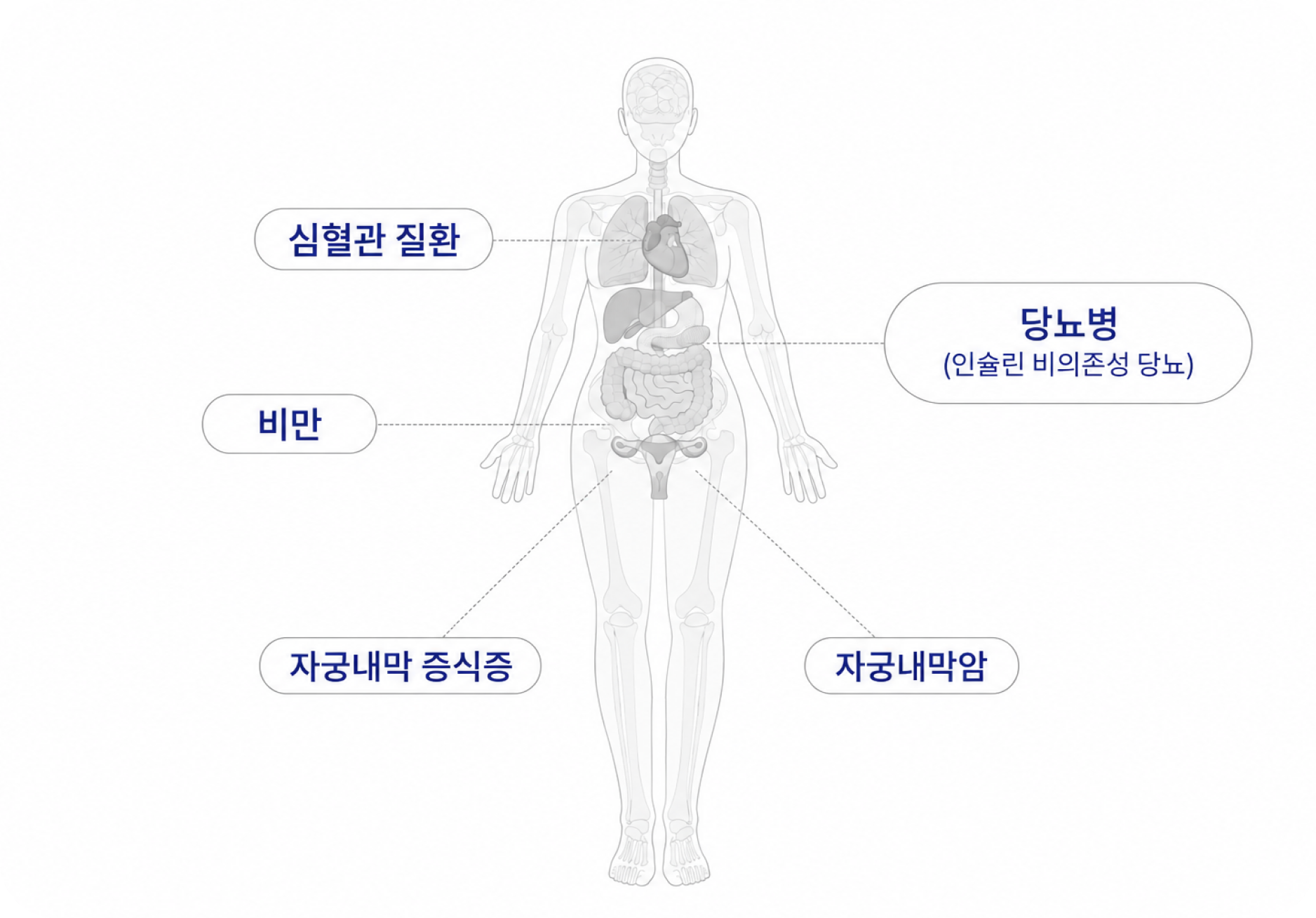
Obesity
Diabetes
Cardiovascular Disease
Endometrial Hyperplasia
Endometrial Cancer
Diagnosis
Tests for Diagnosing Polycystic Ovary Syndrome
Blood Test
• It is recommended to have this test done in the morning on the 2nd or 3rd day of your period. • Hormone tests → FSH, LH, testosterone, DHEAS, TSH, PRL • Fasting blood glucose and insulin, oral glucose tolerance test, lipid profile → For the prevention of diabetes and cardiovascular disease
Ultrasound Examination
There are many immature follicles shaped like small beads, making the surface of the ovary look as if it has been cut into small pieces.
Obesity Assessment
Height, Weight, and Body Fat Measurements
Medical Treatment
Medical Treatment for Polycystic Ovary Syndrome
- 01
Weight Loss
- 02
Ovulation-inducing medication
For use when trying to conceive, oral clomiphene and ovulation-inducing injections
- 03
Taking birth control pills that contain female hormones
By reducing male hormone levels, it helps improve symptoms such as acne and excessive body hair
- 04
Progesterone Medications containing progesterone
- 05
Metformin (metformin)

Weight Loss

Ovulation-inducing medication
For use when trying to conceive, oral clomiphene and ovulation-inducing injections

Taking birth control pills that contain female hormones
By reducing male hormone levels, it helps improve symptoms such as acne and excessive body hair

Progesterone Medications containing progesterone

Metformin (metformin)
Surgical Treatment
Surgical Treatment of Polycystic Ovary Syndrome
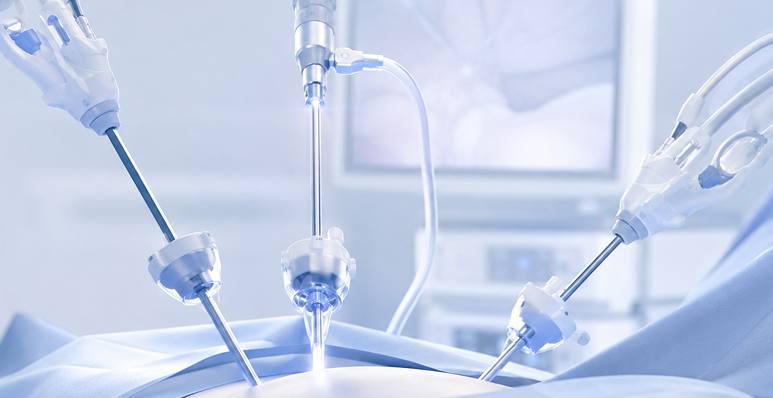
Depending on test results and symptoms, if severe ovulation disorders persist even after medical treatment, and if ovulation cannot be induced even after taking ovulation-inducing medications, laser laparoscopic surgery—known as the “golf ball procedure,” which creates small holes in the thickened surface of the ovary—can be effective.
After surgery, even in women who previously menstruated only once every 3 to 4 months, the cycle normalizes to one every 4 to 5 months, correcting menstrual irregularities and eliminating the need for ovulation suppression, while also increasing the chances of natural conception without the need for in vitro fertilization (IVF).

If you start taking care of it now, things will change.
Consult with CL Hospital about the diagnosis and management of polycystic ovary syndrome