Today's hours: Closed

 네이버지도
 카카오맵
 구글지도
 TMAP

Infertility Center
Infertility
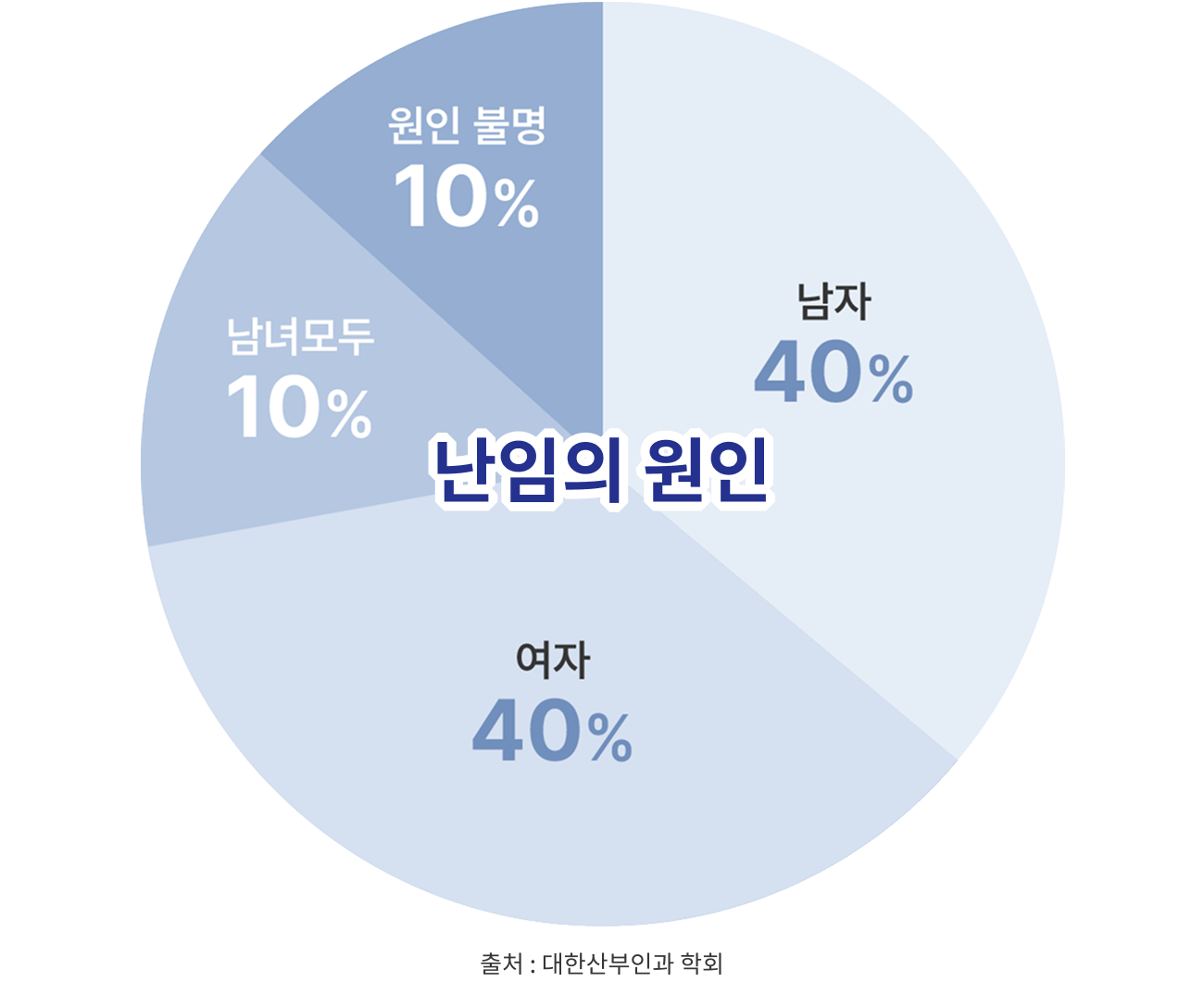
"One in seven couples (about 15%) is infertile."
Infertility is defined as the inability to conceive despite having regular sexual intercourse without using contraception. Generally, it is recommended that women under the age of 35 undergo an infertility evaluation after one year, and those 35 and older after six months. Since a woman’s age has a significant impact on fertility, it is important to undergo testing at the appropriate time.
Causes of Female Infertility






Challenges
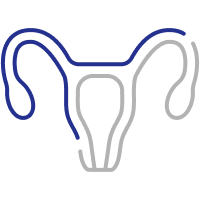
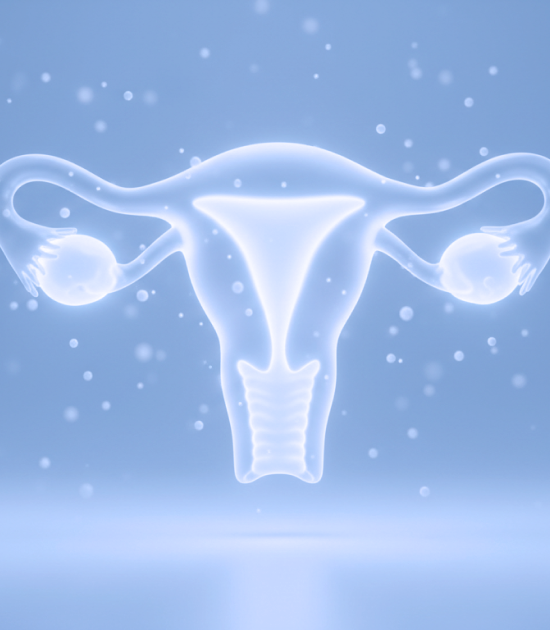
The fallopian tubes are the passages through which the egg and sperm meet to form a zygote, and through which the embryo travels to the uterus. If the fallopian tubes are blocked or there are adhesions in the surrounding area, it can be difficult to conceive naturally; causes may include pelvic infections, endometriosis, or post-surgical adhesions.
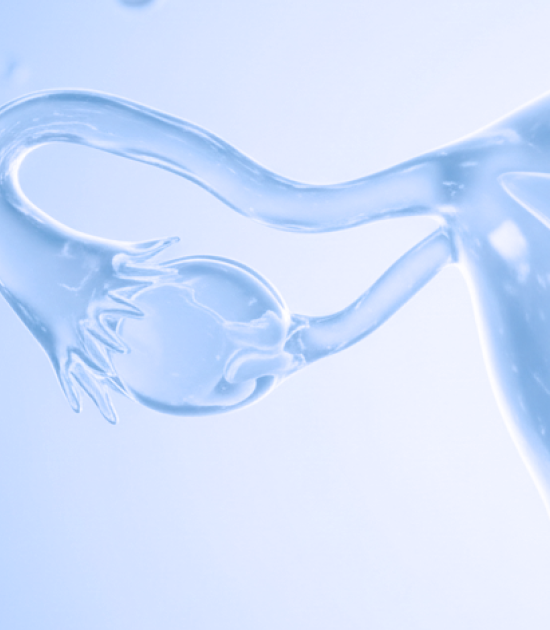
Factors Affecting Ovulation
For a normal pregnancy, a mature egg must be released from the ovary at the appropriate time. Ovulation disorders can result not only from medical causes such as polycystic ovary syndrome, hormonal imbalances, and premature ovarian failure, but also from factors such as sudden weight changes, excessive exercise, and severe stress.
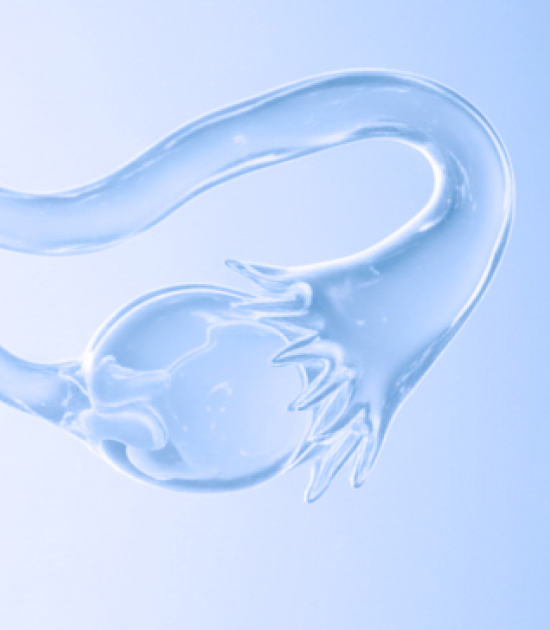
Uterine factors
The structure of the uterus and the condition of the endometrium are crucial for the embryo to implant in the endometrium and for the pregnancy to be sustained. Intrauterine adhesions, endometrial polyps, uterine fibroids, uterine malformations, and endometritis can affect implantation or the maintenance of pregnancy, depending on their location and severity.
Immunological Factors
When the husband’s semen is normal and the woman’s reproductive organs are also normal, the cause may be immunological. This occurs when the semen or sperm acts as an antigen, triggering the production of antibodies in the woman’s body.
Cause unknown
This refers to cases where no abnormalities are found during infertility testing, and it accounts for about 10% of infertility causes. Immunological factors account for a significant portion of these cases.

Causes of Male Infertility



Hormonal and Systemic Factors
Sperm production is influenced by hormonal regulation through the hypothalamus–pituitary–testis axis. In addition to hormonal imbalances, overall health—including certain medications, the use of exogenous androgens, chronic diseases, and obesity—can also affect sperm production and function.

Sperm Production Abnormalities
This condition occurs when the testicles do not produce enough sperm or when sperm do not mature normally. Major causes include genetic factors, undescended testicles, varicoceles, inflammation or injury to the testicles, and cancer treatment or radiation therapy.
Abnormalities in Sperm Motility
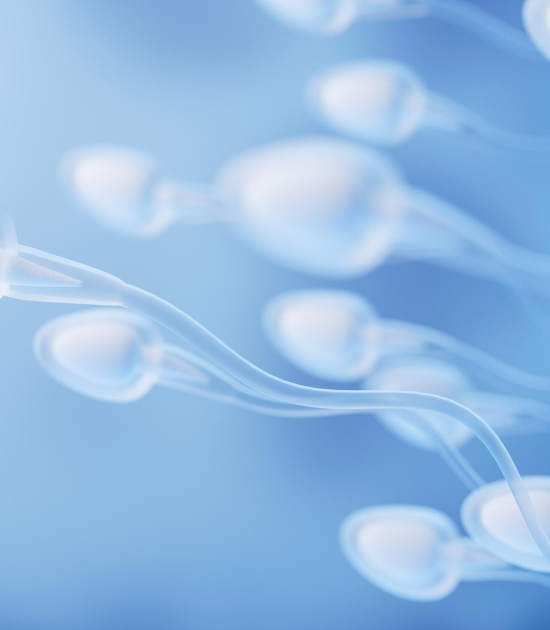
Even if sperm are produced normally, they may not be expelled in the ejaculate if the passageways—such as the epididymis or vas deferens—are blocked. The main causes include congenital absence of the vas deferens, obstruction due to infection or surgery, and vasectomy.
Sperm Production Abnormalities
This condition occurs when the testicles do not produce enough sperm or when sperm do not mature normally. Major causes include genetic factors, undescended testicles, varicoceles, inflammation or injury to the testicles, and cancer treatment or radiation therapy.
Abnormalities in Sperm Motility
Even if sperm are produced normally, they may not be expelled in the ejaculate if the passageways—such as the epididymis or vas deferens—are blocked. The main causes include congenital absence of the vas deferens, obstruction due to infection or surgery, and vasectomy.