Today's hours: Closed

 네이버지도
 카카오맵
 구글지도
 TMAP

Infertility Center
The Course of a Normal Pregnancy
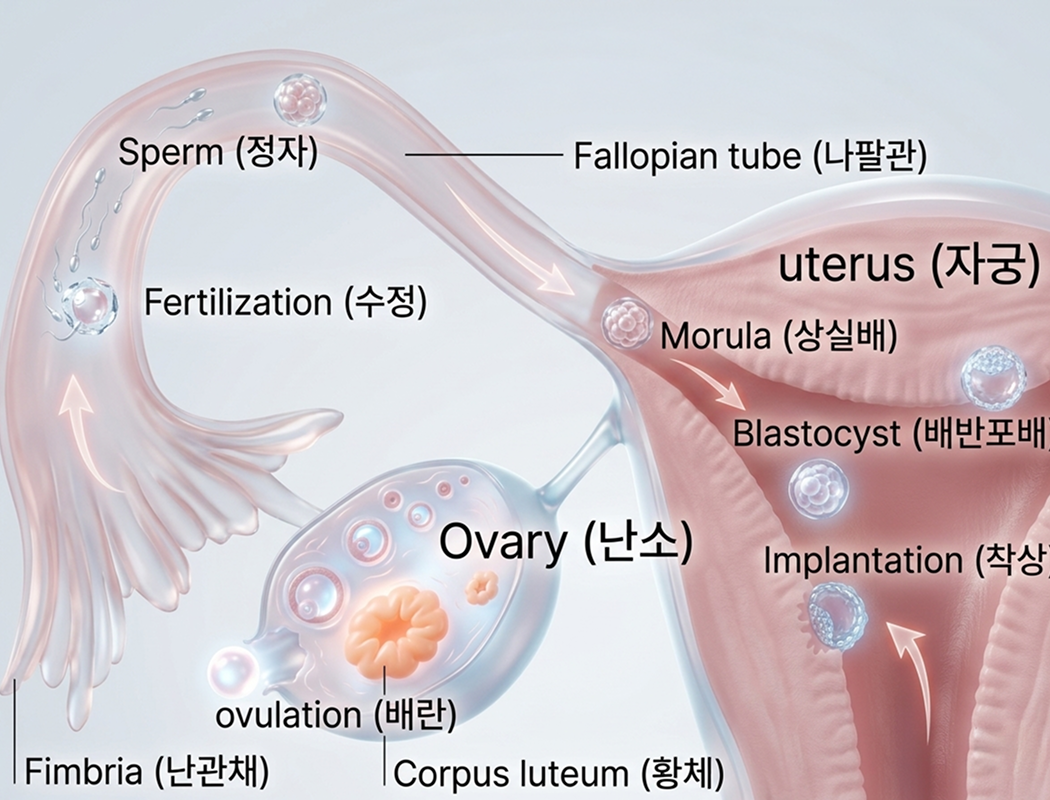
During a woman’s menstrual cycle, several follicles in the ovaries grow under the influence of hormones, and as one of these follicles matures, ovulation occurs. The released egg travels from the ovary to the fallopian tube, where it meets sperm introduced through sexual intercourse, resulting in fertilization. The fertilized embryo undergoes repeated cell division as it travels along the fallopian tube toward the uterus, developing into the blastocyst stage over approximately 5 to 6 days. Once it reaches the uterus, the embryo implants itself into the thickened endometrium. If implantation is successful, pregnancy is established; the implanted embryo then develops into a fetus, and the placenta forms simultaneously. Conversely, if implantation does not occur, the uterine lining—which had thickened in preparation for pregnancy—sheds, causing bleeding; this process is called menstruation.
Predicting Your Ovulation Date
To determine the ovulation date, ovulation is induced using ovulation-inducing medication (oral), and the ovulation date is then determined.
Artificial Insemination
IUI : INTRAUTERINE INSEMINATION
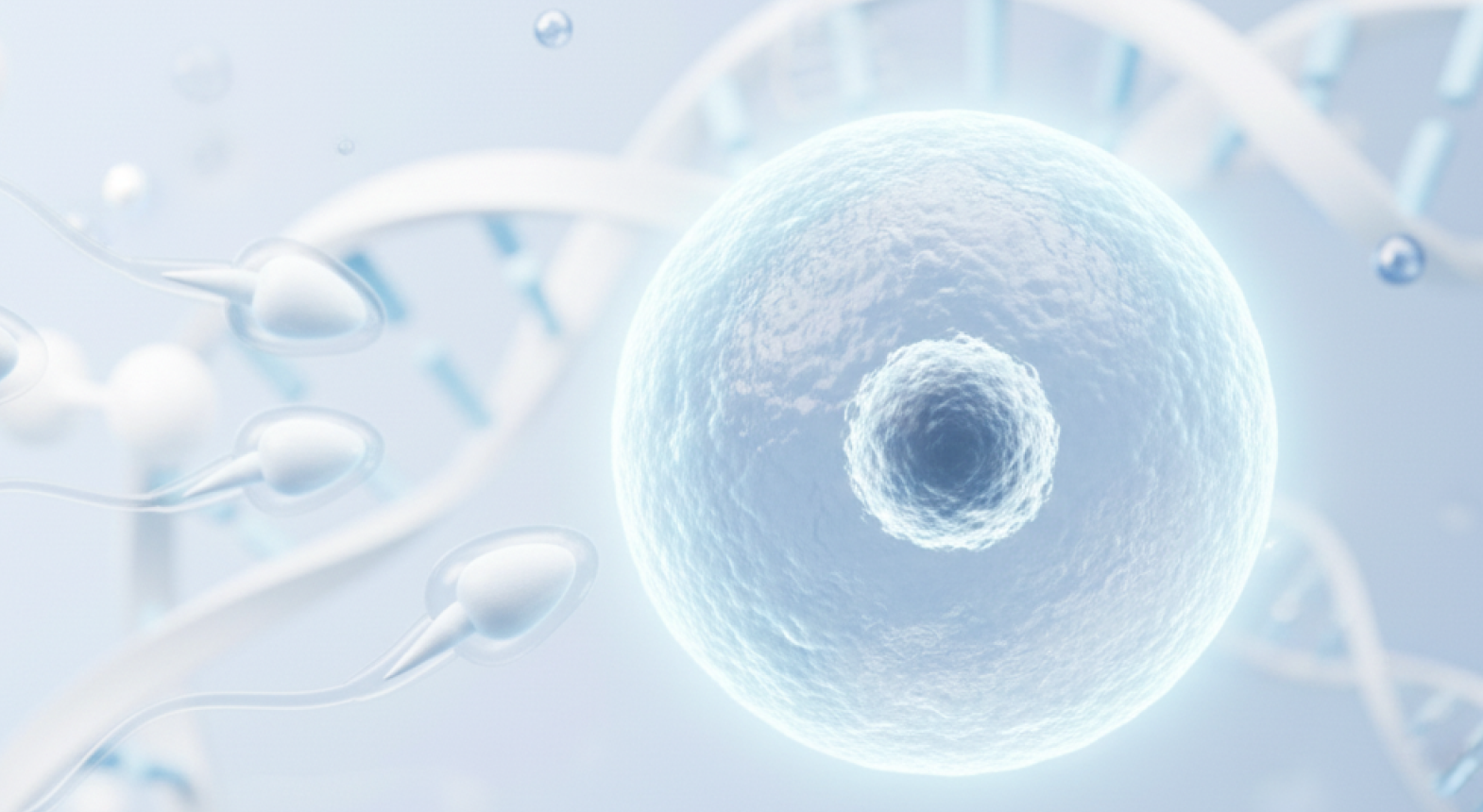
This method involves collecting the husband’s semen during the wife’s ovulation period, processing it to isolate only high-quality sperm, and then injecting it directly into the woman’s uterus through a thin tube to allow natural fertilization to occur.
In Vitro Fertilization (IVF)
IVF-ET : In Vitro Fertilization and Embryo Transfer
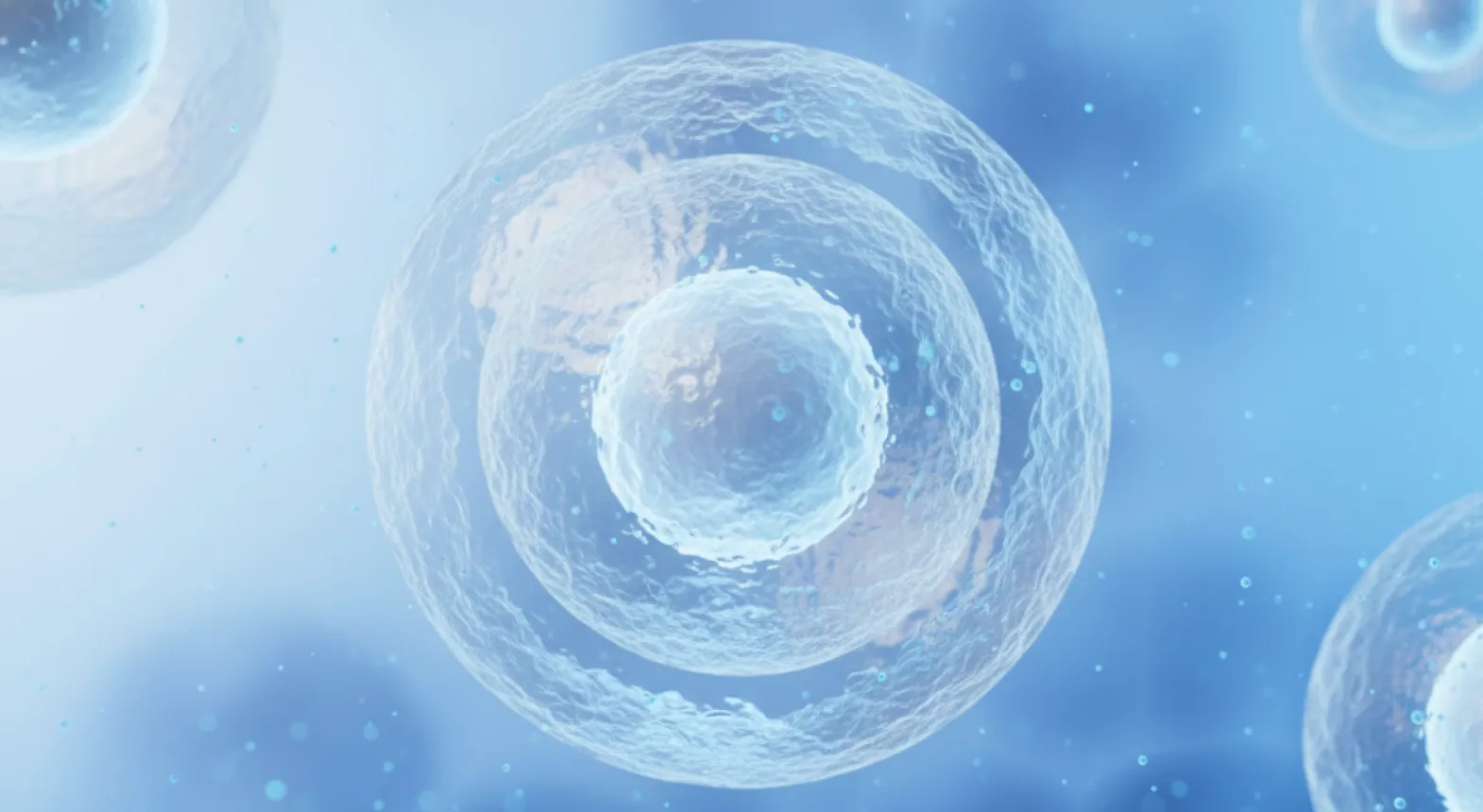
A method of attempting to achieve pregnancy by administering ovulation-inducing medications to stimulate the growth of multiple eggs, retrieving the eggs, selecting only the most motile sperm from the partner’s sample to fertilize the eggs in a test tube (in vitro), culturing the embryos in an incubator for 2 to 5 days, and then transferring them to the uterus.